


X-ray Scanners & Metal Detectors
X-ray scanners and metal detectors are both security and quality control tools, but they differ in their capabilities. Metal detectors primarily detect metallic objects, while X-ray scanners can identify a wider range of materials, including non-metallic contaminants and product defects.

Metal Detectors (Applications)
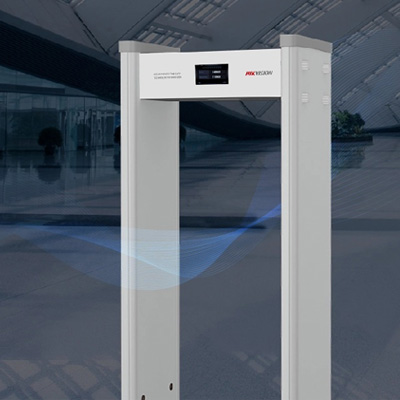
Security
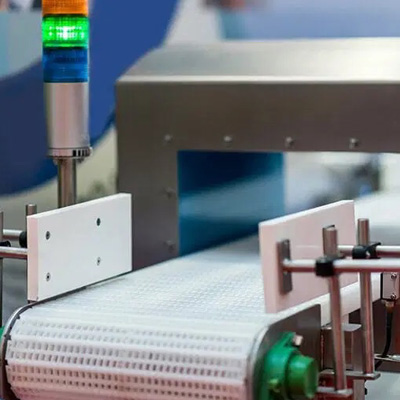
Food Safety
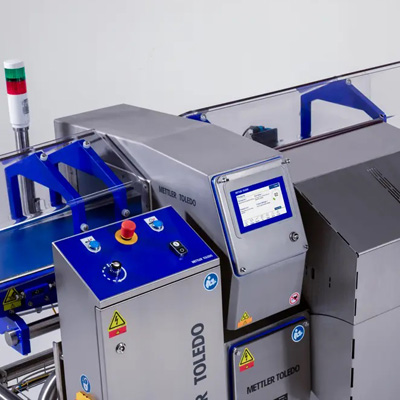
Industrial
X-ray Scanners (Applications)

Security
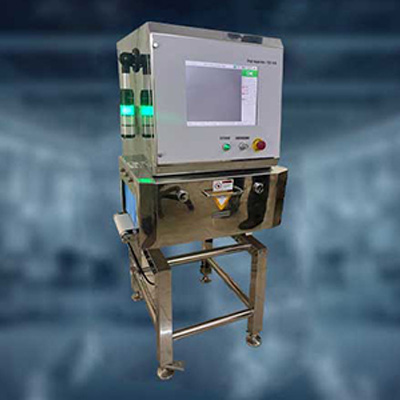
Food Safety
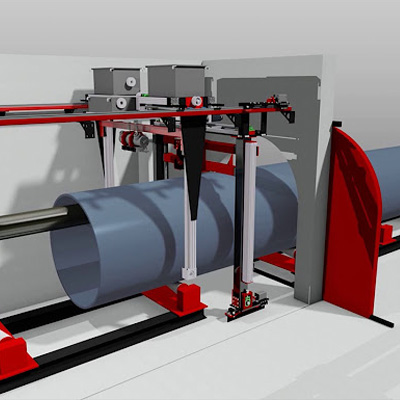
Industrial
Frequently Asked Questions
A metal detector is a device used to determine the presence of metals underground. It can be used to search for gold, jewelry, coins, and other valuables.
A metal detector works by sending an electromagnetic signal to the ground. When the search coil passes over a metal target, it induces a return signal that the device’s electronics can interpret as a target. This interpreted signal is presented to the user via the control box as a visual display, an audible tone, or both.
There are many types of metal detectors available on the market. These devices differ in their features and capabilities.
- Detection of natural raw gold including very small gold nuggets
- Detecting gold veins found in desert soil within rocks
- Discovering ancient minted gold coins left over from previous civilizations such as the Persians and Romans
- Revealing the adornment jewelry that has been used since ancient times to adorn kings and women, such as crowns, bracelets, and rings.
- Excavating ancient antiquities made of gold or other metals, such as golden swords or those studded with gold
There are many features to consider when choosing a metal detector. These features include:
- Frequency and sensitivity: These features determine how deeply the device detects metal.
- Metal Detection: This option allows you to specify the type of metal that the device detects.
- Weight and ergonomics: The device should be light and comfortable to carry. It should also be water and dust-resistant.
- Batteries: The device must be equipped with long-lasting batteries.
A metal detector coil works by sending an electrical current through a coiled copper wire to generate a magnetic field (this coil is called a transmitting coil or TX coil). When this magnetic field encounters metal, it induces an equal countercurrent that is sampled by the receiving coil or RX coil. At the most basic level, every metal detector sold commercially operates through either pulsed induction or very low-frequency technology.
The cost of metal detectors ranges from a few hundred dollars to several thousand dollars. The price depends on the type of device and the features it offers.
A metal detector can be used in many different ways. Here are some basic tips:
- Start learning how to use the device. There are many resources available to help you with this.
- Choose a suitable location for searching. Look for areas with a history of mining or human activity.
- Move the device slowly and steadily. This will help you discover small goals.
- be patient. It may take some time to find something.
Positives:
- A metal detector can be a great tool for finding valuables.
- It can be a fun hobby to have.
- It can be a good way to learn about local history.
Negatives:
- A metal detector can be expensive.
- It may be difficult to find a specific target.
- Use of a metal detector may be restricted in some areas.
Laws and regulations regarding metal detectors vary from country to country. In some countries, it may be necessary to obtain a permit or license for use. In other areas, there may be restrictions on the locations where a metal detector can be used.
X-rays are a type of electromagnetic radiation, like light, but with much higher energy. They can pass through many materials but are absorbed by denser materials like bone and metal.
X-ray scanners emit a beam of X-rays that pass through an object. Detectors on the other side capture the remaining X-rays, creating an image based on the varying levels of absorption.
- Medical: Diagnosing fractures, identifying infections, detecting tumors, and locating foreign objects.
- Security: Screening luggage, packages, and people at airports and other security checkpoints to detect weapons, explosives, and contraband.
- Industrial: Inspecting manufactured goods for defects, analyzing material composition, and ensuring product quality.
In general, X-ray scans are considered safe when used at appropriate doses for medical or security purposes. However, prolonged or excessive exposure to X-rays can be harmful due to the ionizing radiation.
Ionizing radiation from X-rays can damage DNA and potentially increase the risk of cancer. The risk depends on the radiation dose and the frequency of exposure.
Pregnant women are generally advised to avoid unnecessary X-ray exposure, especially during the first trimester. If an X-ray is medically necessary, precautions are taken to minimize exposure to the fetus.
Medical X-ray scanners are designed to create detailed images of the body's internal structures, while security X-ray scanners are designed to detect hidden objects and threats. Medical scans often use lower doses of radiation than security scans.
Healthcare professionals determine the appropriate use of X-rays based on the potential benefits and risks. If you have any concerns about X-ray safety, consult with your doctor or a qualified healthcare professional.
No, X-ray scanners do not leave any residual radiation. The X-rays are generated when the machine is operating and stop when the machine is turned off.
No, the low levels of radiation used in security and industrial X-ray scanners are generally not harmful to electronics.
Exposure refers to the amount of ionizing radiation present, while dose refers to the amount of radiation absorbed by a material.
Have questions? We can help
Our video security experts can help you implement the right security system for your business.