


Active LED
Active LED displays are digital screens made up of individually powered light-emitting diodes (LEDs) that offer superior performance compared to traditional passive LED displays. They use advanced technology like thin-film transistors (TFTs) to control each pixel, resulting in sharper, brighter, and more dynamic images with smoother video playback and higher refresh rates.
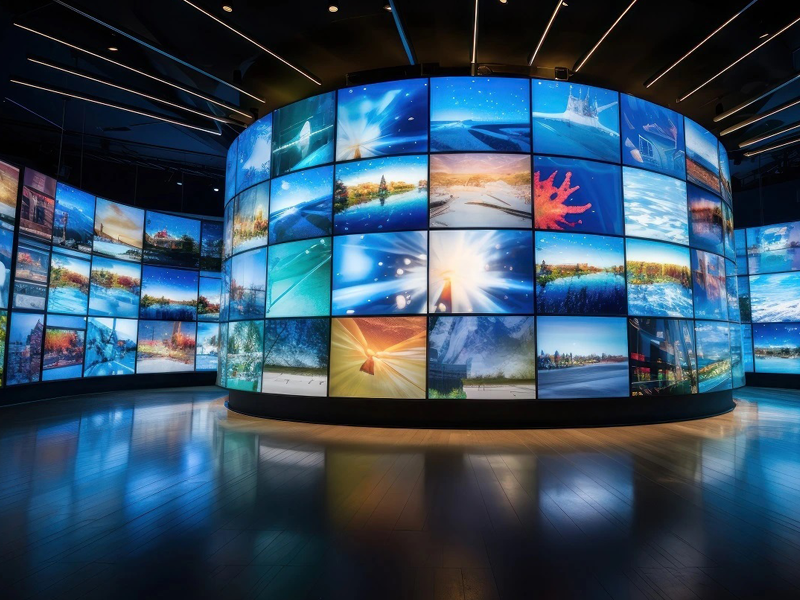
Solutions
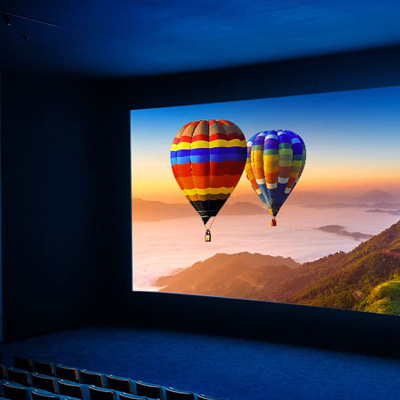
Indoor LED Video Walls
These are typically used in environments like control rooms, corporate lobbies, and retail spaces, offering high definition and clarity for close-up viewing.
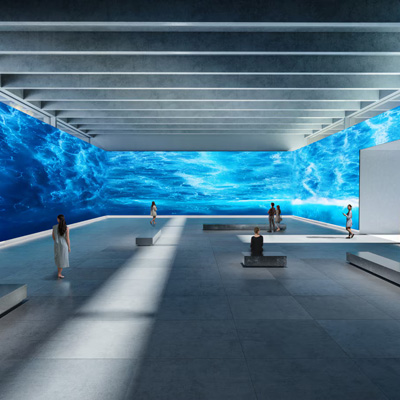
Transparent Active LED Displays
These innovative displays combine digital content with transparency, allowing for a unique visual experience where the background can be seen through the displayed content.
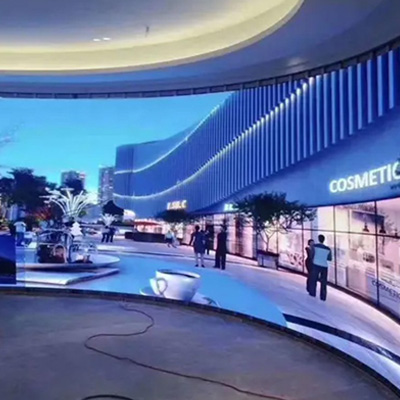
Curved/Flexible Active LED Displays
These displays can be curved or bent to fit specific design requirements, offering flexibility in installation and unique visual presentations.
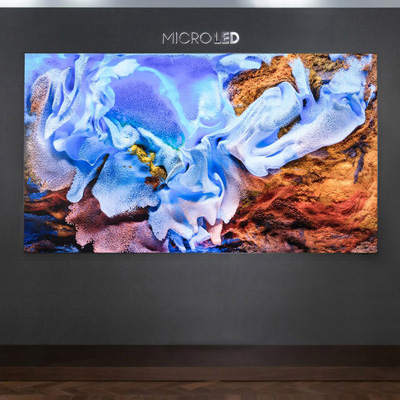
Micro-LED Displays
These are a newer technology that offer brighter images, minimal ghosting, and less risk of screen burn-in compared to traditional LEDs.
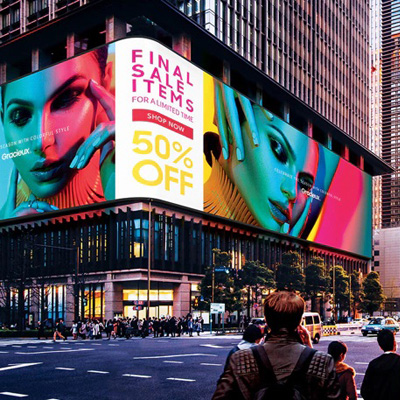
Outdoor LED Signs
These are built to withstand harsh weather conditions and sunlight, making them suitable for applications like billboards, stadium perimeters, and large public displays.
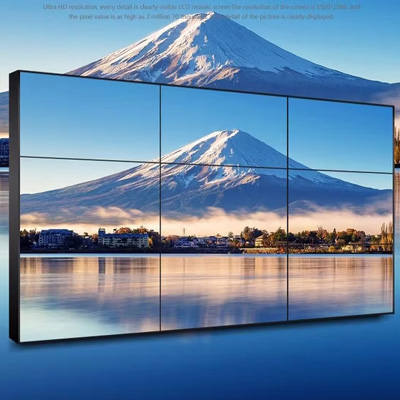
High Brightness Displays
Outdoor displays often require higher brightness levels to be visible in direct sunlight.
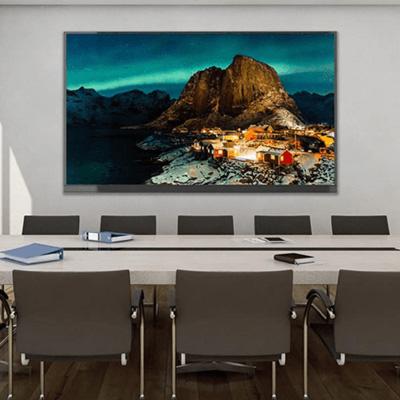
Pixel Pitch Variations
Outdoor LED displays come with different pixel pitches (distance between LEDs), with larger pixel pitches being suitable for longer viewing distances, such as on billboards.
Applications
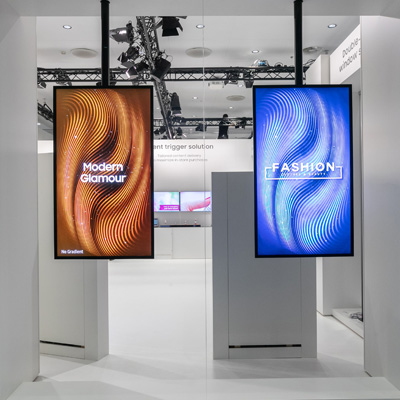
Digital Signage
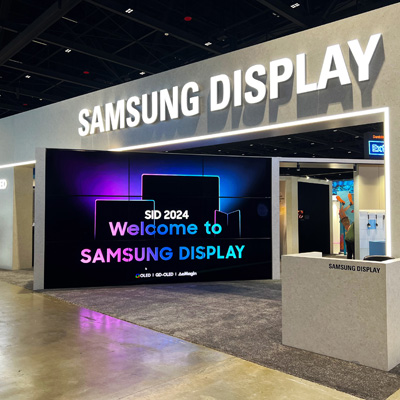
Live Events
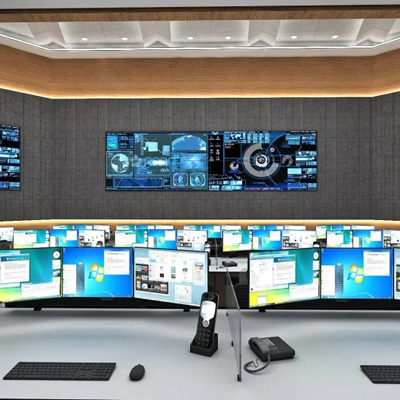
Control Rooms
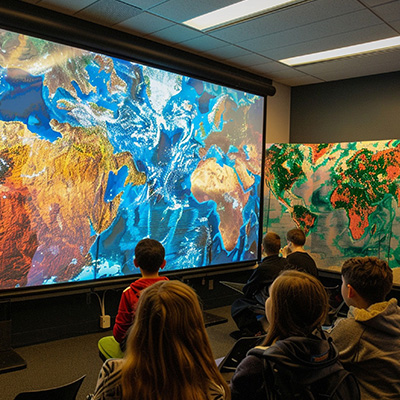
Educational Settings
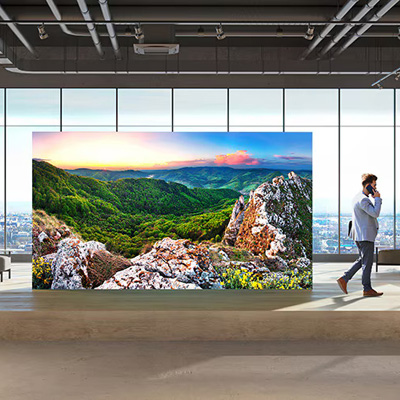
Corporate Environments
Frequently Asked Questions
- LED stands for Light Emitting Diode.
- They are semiconductor devices that emit light when an electric current passes through them.
- This process is called electroluminescence.
- Electrons and electron holes recombine within the semiconductor material.
- This recombination releases energy in the form of photons, which are light particles.
- The color of the light emitted depends on the semiconductor material used.
- High luminous efficiency: LEDs convert a large portion of electrical energy into light.
- Long lifespan: They can last for tens of thousands of hours.
- Durability: LEDs are resistant to physical shock and vibration.
- Fast switching speed: They can turn on and off very quickly.
- Low voltage operation: LEDs typically operate at low voltages, making them energy-efficient.
- Small size: They can be very small, allowing for flexible designs.
- Environmentally friendly: LEDs are free of toxic materials and don't emit ultraviolet or infrared radiation.
- Miniature LEDs, high-power LEDs, standard LEDs, COB LEDs, organic LEDs, and RGB LEDs are some examples.
- They vary in terms of power output, size, and applications.
- In the context of LEDs, quantum efficiency refers to the ratio of the number of photons emitted per second to the number of electrons injected into the LED per second.
- The forward voltage (VF) is the voltage required for an LED to turn on. It typically ranges from 1.8 to 3.3 volts, varying by color. For example, a red LED might have a forward voltage of 1.7 to 2.0 volts, while a blue LED might have a forward voltage of 3.0 to 3.3 volts.
- LED drivers are used to supply the correct amount of current to an LED.
- They protect the LED from damage caused by voltage fluctuations or thermal runaway, where a change in temperature can cause the LED to burn out.
- LED drivers can also convert AC voltage to DC voltage for LED operation.
LEDs are used in a wide variety of applications, including:
- Display screens (e.g., TVs, computer monitors, smartphones).
- Indicator lights (e.g., on appliances, in vehicles).
- General lighting (e.g., light bulbs, streetlights).
- Backlighting for LCD screens.
- Traffic signals.
- Automotive lighting.
Have questions? We can help
Our video security experts can help you implement the right security system for your business.