


Biometric & Fecial Recognition Systems
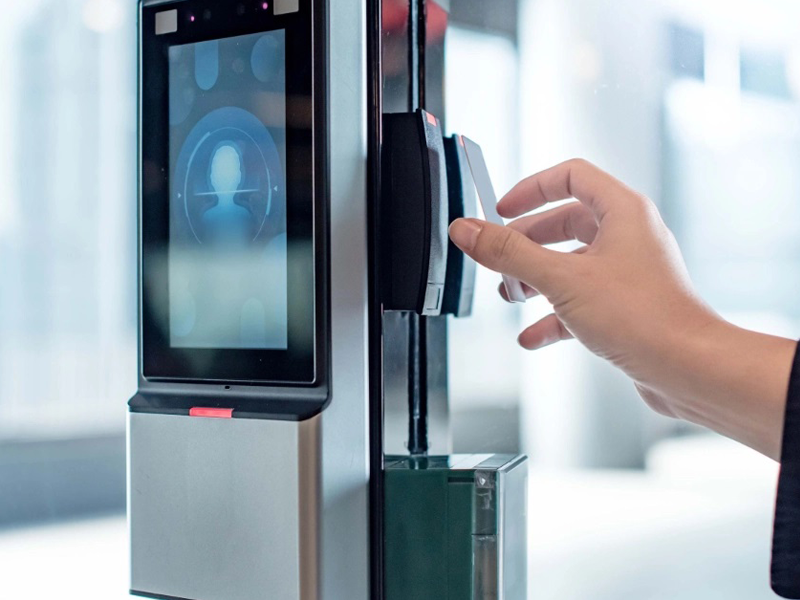
Biometric & Fecial Recognition Systems render high-performance security solutions utilizing an individual's physiological characteristics that include fingerprint impression, face detection, palm-vein recognition and iris identification. The cutting-edge biometric technologies employing unique physical traits are applicable to multiple sectors ranging from Health care, Education, Agriculture, Airports, Large to small Enterprises, Aviation, Hotels, Banking and Finance, Government agencies and social welfare schemes, Insurance, Retail, Manufacturing, Law Enforcement to Hospitality and Tourism.
Solutions
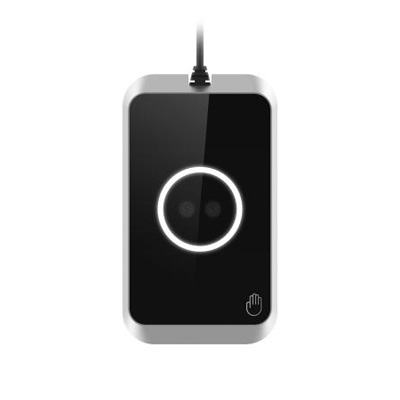
Palm-vein Scanner
The biometric palm scanner utilizes palm-vein technology to identify and authenticate an individual by capturing his palm vein pattern. Mantra’s palm vein scanner offer high flexibility and security employing it in different industry-specific applications.
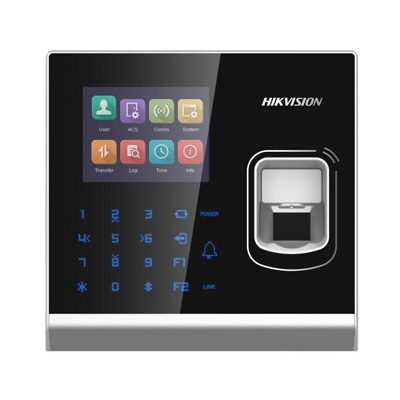
Fingerprint Scanner
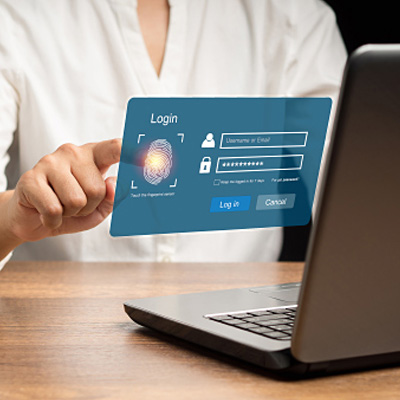
The fingerprint recognition technique is deemed to be the most common human authentication and verification process. Mantra's fingerprint scanner and readers are known for its accuracy, reliability and safety when it comes to identification and authentication of an individual
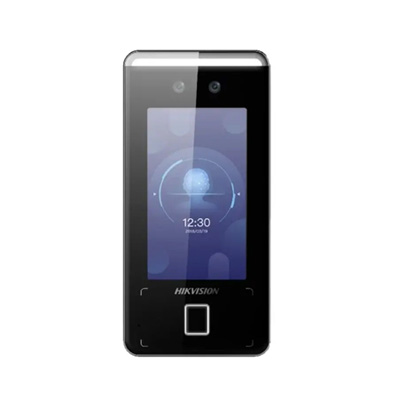
Face Recognition
Face recognition technology identifies or verifies a person based on the still images or video images of a face captured via facial recognition system. Mantra's face scanners are based on latest biometric technologies providing an ultra-accurate process of identification.
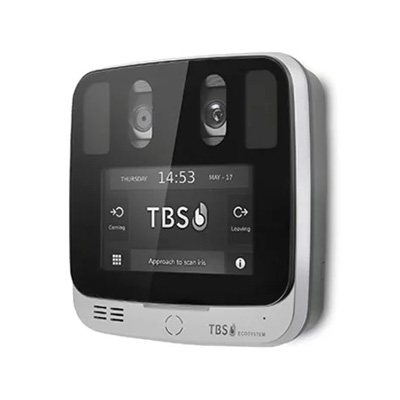
Iris Scanner
Biometric iris recognition technology is one of the safest processes of human verification and authentication that utilizes a person's one or both the irises. An iris scanner uniquely identifies an individual by capturing the image of his retina to match it with the stored retinal image in the database.
Applications
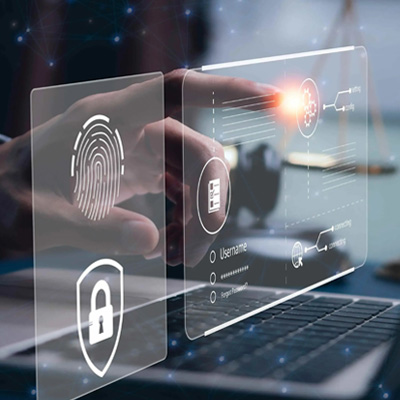
Security
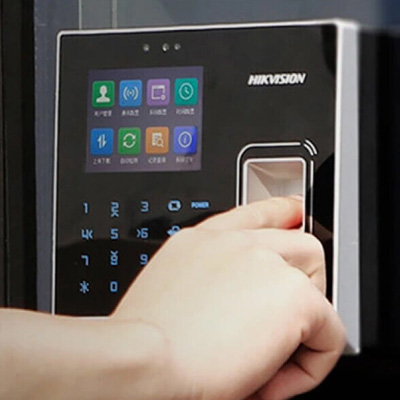
Access Control
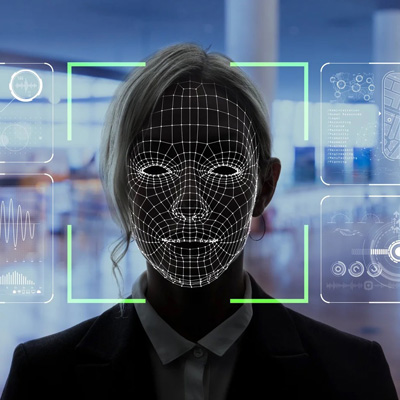
Law Enforcement
Financial Services
Frequently Asked Questions
Biometrics refers to the use of unique biological characteristics to identify or verify an individual's identity.
Common types include fingerprint recognition, facial recognition, and iris recognition.
Facial recognition systems analyze facial features, like the distance between the eyes, nose, and mouth, to create a unique "facial signature" for comparison with stored data.
Biometric authentication is the process of verifying a person's identity by comparing their biometric data (like a fingerprint or facial scan) with a previously enrolled template.
Liveness detection is a feature in facial recognition that helps determine if the presented face is from a live person rather than a photo or video, preventing spoofing attacks.
Biometric systems offer increased security, enhanced convenience, and reduced reliance on passwords, which can be forgotten or stolen.
They are used in time and attendance tracking, access control to buildings and systems, border control, law enforcement, and even fraud prevention.
Potential limitations include accuracy issues with certain technologies, potential for spoofing, and privacy concerns related to data storage and usage.
Biometric data is typically stored securely and encrypted, and access is often restricted to authorized personnel. Many regions also have regulations like the GDPR that govern the collection, storage, and use of biometric data.
Examples include Amazon Rekognition, SenseTime, and FaceFirst.
Continuous biometrics refers to systems that continuously authenticate a user throughout their interaction with a system, dynamically updating recognition scores.
Have questions? We can help
Our video security experts can help you implement the right security system for your business.