


Perimeter Security Systems
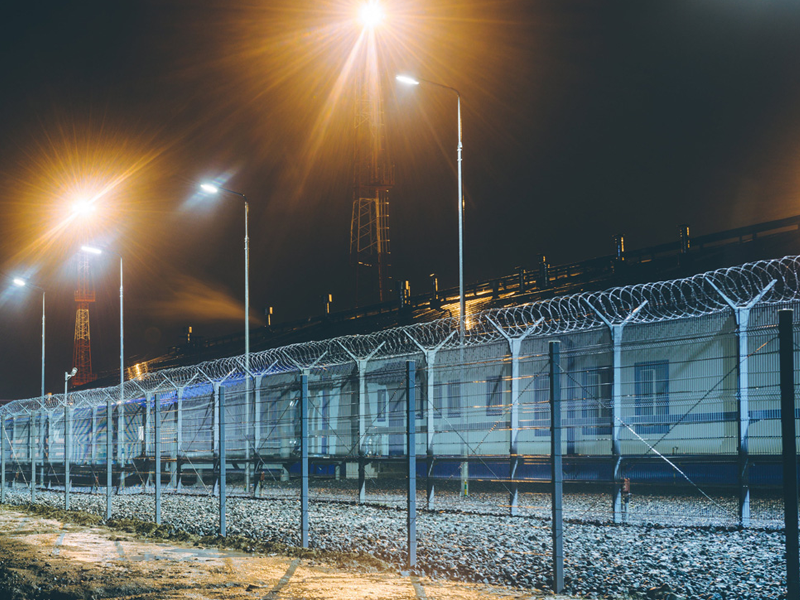
The Perimeter of any premises is the first and foremost critical layer of security and needs to be protected. Every theft or sabotage starts from this point only and hence protecting it becomes the most important as well as the most difficult part of the Security System.
Solutions
Electrified Fencing
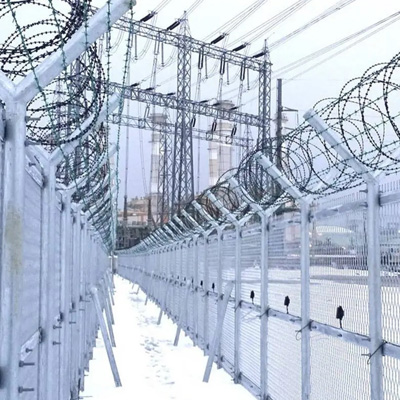
Fencing or electrified fencing is the most traditional way of perimeter protection being implemented by many small budget industries. This method of protection is beneficial for small scale industries that do not have much concern about protecting their property and materials.
Photoelectric Beam Detector
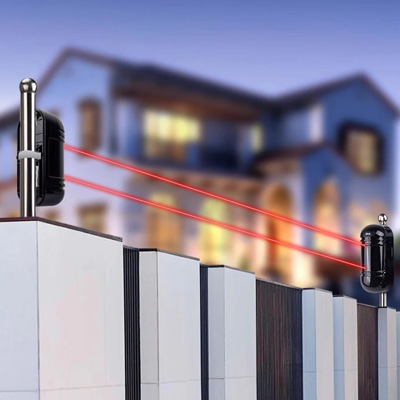
This type of security system works on the principle of infrared beam detection. The system consists of a transmitter and a receiver mounted in line with each other on the outer boundary of the premises. The transmitter continuously transmits the infrared beam and the receiver at the same time detects it.
Passive Infrared Detector
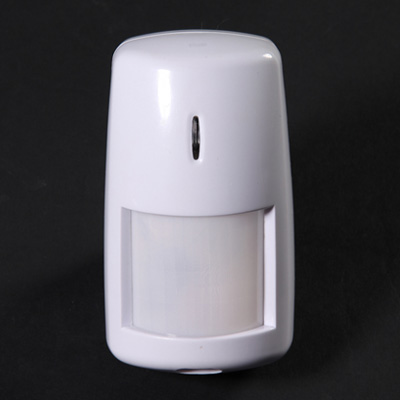
Passive Infrared detectors scan the energy released by objects in the form of Infrared and do not emit any. The sensors embedded in the security system remember the infrared image of the surroundings and keep on measuring the energy levels.
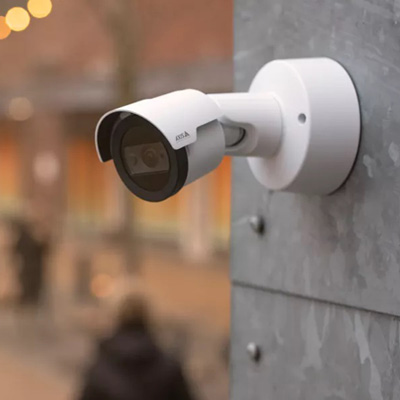
Video Surveillance
Video Surveillance system is the security solution that keeps on recording whatever comes in its range. The recorded data gets stored on the DVR or cloud depending on the requirement of the user.
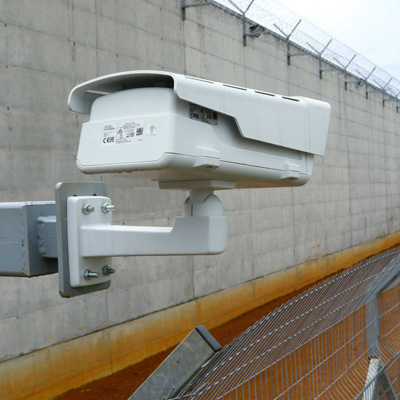
Access Control System
The Access Control System is installed at the entry and exit points of a premises preventing tailgating activities. This type of security system allows only the authorised persons to enter and thus those making intrusion attempts by following the authorised person stop by themselves.
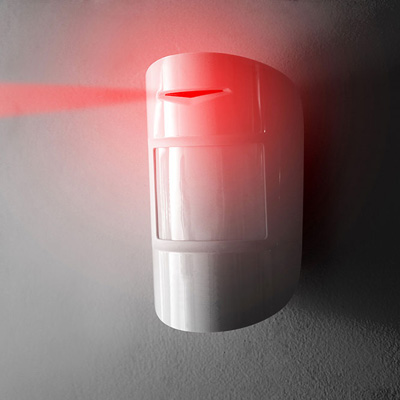
Laser Perimeter intrusion detection system
These types of security systems work on the principle of detecting intrusion with the help of a laser. The device is mounted at a place like a CCTV camera and made to focus on a particular area.
Applications

Airports

ATMs and Banks

Construction Sites
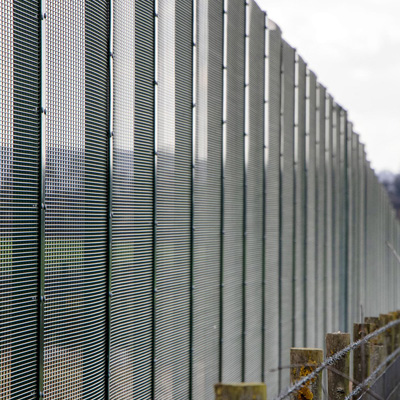
Defence
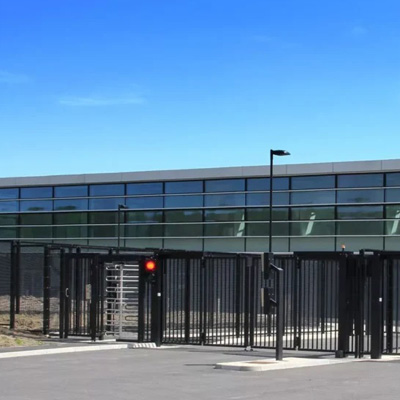
Data Centres
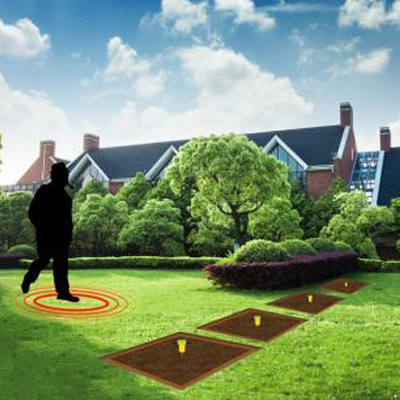
Residence

Industries
Frequently Asked Questions
The three main types of intrusion detection systems (IDS) are:
- 1. Network-based Intrusion Detection System (NIDS): This type monitors network traffic for suspicious activity and potential threats across a network. It examines packets traversing the network and can detect malicious activities, such as unauthorized access or attacks like Denial of Service (DoS).
- 2. Host-based Intrusion Detection System (HIDS): HIDS is installed on individual devices or hosts, such as servers or personal computers. It monitors system activities, file integrity, and log files to detect signs of intrusion or malicious behavior specific to that host.
- 3. Hybrid Intrusion Detection System: Combining features of both NIDS and HIDS, hybrid IDS offers comprehensive security by monitoring both network traffic and individual host activities. This integrated approach enhances detection capabilities and provides a more holistic view of potential threats.
A Perimeter Intrusion Detection System (PIDS) is a security solution designed to detect unauthorized access or breaches at the boundary of a protected area. It employs various sensors, such as infrared, microwave, or buried cable sensors, to monitor for intrusions along fences, walls, or other perimeter structures. Upon detecting an intrusion, the system triggers alarms and alerts security personnel or a central monitoring station. PIDS can be integrated with other security measures like CCTV and access control systems, enhancing the overall security of facilities such as military bases, airports, and industrial sites.
Perimeter sensors are security devices designed to detect and alert against unauthorized entry at the boundary of a protected area. They use various technologies, such as infrared beams, microwave radar, seismic vibration, and Fibre optic perimeter intrusion detection system , to monitor fences, walls, and open grounds. When a sensor detects a disturbance or breach, it triggers an alarm to notify security personnel or a monitoring system. These sensors are commonly used in high-security environments like military installations, airports, and industrial sites to provide an early warning of potential intrusions and enhance overall perimeter security.
Perimeter security serves to protect a defined area by establishing a boundary that deters, detects, and delays unauthorized access or threats. Its primary purposes include preventing intrusions, theft, vandalism, and attacks on facilities, assets, and personnel within the protected area. By implementing physical barriers, such as fences, walls, and gates, complemented by surveillance systems like cameras and sensors, perimeter security establishes a first line of defense. It allows for early detection of potential threats, provides time for response and intervention, and enhances overall safety and security by controlling access and monitoring activities at the perimeter of critical infrastructure, residences, and facilities.
Just installing the indoor products and leaving the parameters unsecured is not recommended from our side. The perimeters also need to be secured for complete safety as the perimeter is the first place of intrusion for the burglars.
Yes, we have dedicated products for outdoor as well as indoor protection that are installed at the premises depending on their application.
It is not necessary to have a power source near to your boundary because we have wireless products as well that operate on batteries.
You might have heard so but not in the case of Optex products because we have designed our products with special care to such incidents. We have put four beams in our sensors installed on the perimeter of the premises that generates alarms only when all the 4 beams are blocked. Blocking all four beams at a time is not possible for any bird due to its small size and hence there are alarms only if humans pass through the secured area.
There is no requirement of any shed for our products as our products undergo around 150 indoor environmental checks before being launched into the market. Hence, our products are capable of working perfectly in all weather conditions.
Have questions? We can help
Our video security experts can help you implement the right security system for your business.