


Fire Alarm & Detection Systems
Fire alarm and detection systems are crucial for safeguarding lives and property by promptly identifying and alerting occupants and emergency services to fire hazards. These systems utilize a network of interconnected components, including detectors, control panels, and notification devices, to detect fire conditions like smoke, heat, or flames, and initiate alarms and other safety responses.
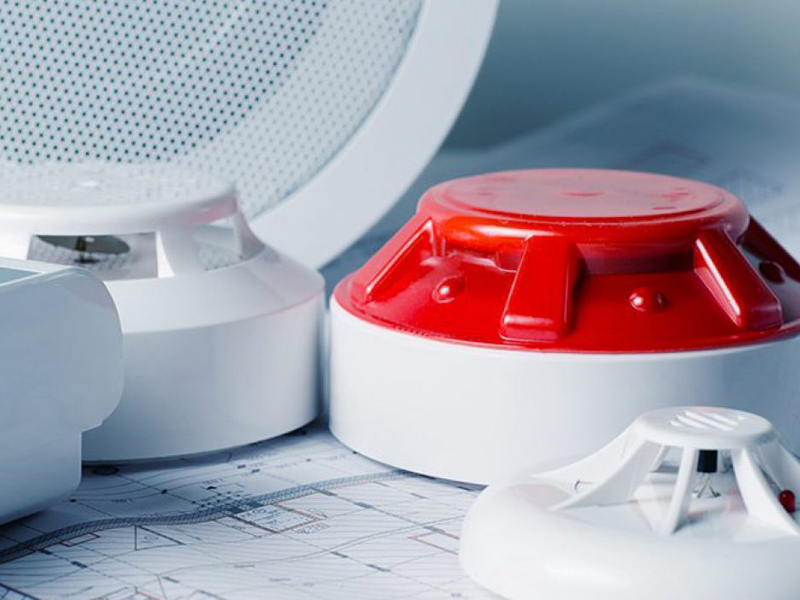
Solutions
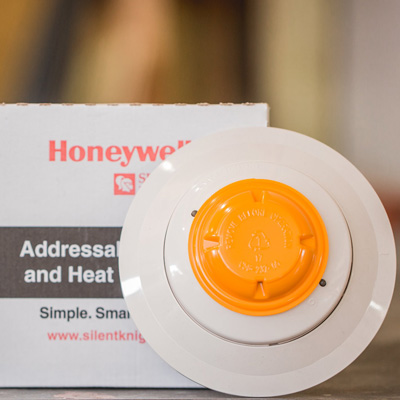
Initiating Devices
These include smoke detectors, heat detectors, and manual pull stations, which detect fire conditions and trigger the alarm system.
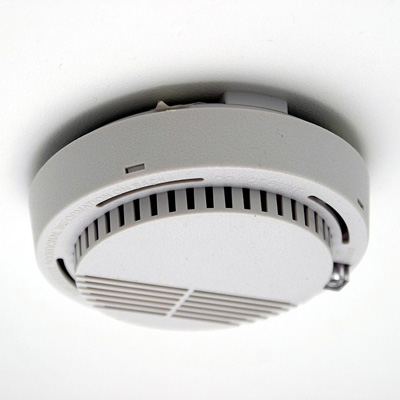
Smoke Detectors
Detect smoke particles, with ionization detectors being sensitive to flaming fires and photoelectric detectors better at detecting smoldering fires.
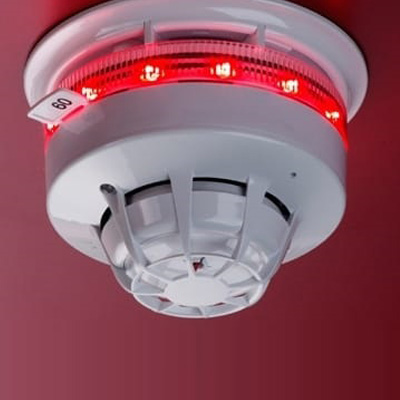
Heat Detectors
Activate when a specific temperature threshold is reached, including fixed temperature and rate-of-rise detectors.

Fire Alarm Control Panel
The central hub of the system, receiving signals from initiating devices and activating alarms.
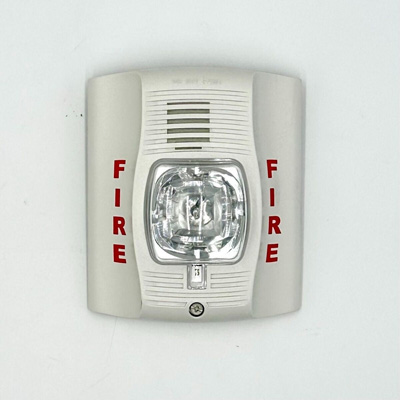
Notification Devices
These devices, such as sirens and strobe lights, alert occupants of a fire emergency.
Applications

Residential & Commercial Buildings

Hotels

Malls

Banks
Frequently Asked Questions
The control panel is the "brain" of the system, receiving signals from detectors and initiating alarms.
There are conventional and addressable panels. Conventional systems group detectors into zones, while addressable systems give each device a unique address for more precise location information.
Common types include smoke detectors (ionization, photoelectric, combination), heat detectors, and manual call points.
Smoke detectors should be placed in all areas except for bathrooms, boiler rooms, and kitchens.
Manual call points should be placed in corridors, next to stairwells, and at all exits.
Fire detection systems use sensors to detect smoke, heat, or other fire-related hazards. When a hazard is detected, the system activates alarms and notifies occupants.
The system analyzes signals from sensors, and if they meet programmed thresholds, the system activates.
These are detect, alert, monitor, and control, according to Koorsen Fire & Security.
The sound of the alarm should be clearly audible in all areas.
Yes, a backup power supply is essential to ensure the system functions during power outages.
Have questions? We can help
Our video security experts can help you implement the right security system for your business.