


Access Control Systems
Access control system manages the entry of an individual into the facilities and allows access to an authorized person only. Mantra's access control device presents a comprehensive logical or physical access control solution to secure your premises, assets, facilities or data. Technically, two types of Access control systems are recognized in the world of Biometrics namely - physical and logical.
Biometric Access Control system authenticates and authorizes an individual based upon his/her physiological characteristics or attributes and then permits him/her to enter the sensitive area or zone. The Biometric access control system ensures greater security of the premises and proves to be significant in monitoring the vital assets or facilities of your business or enterprise.
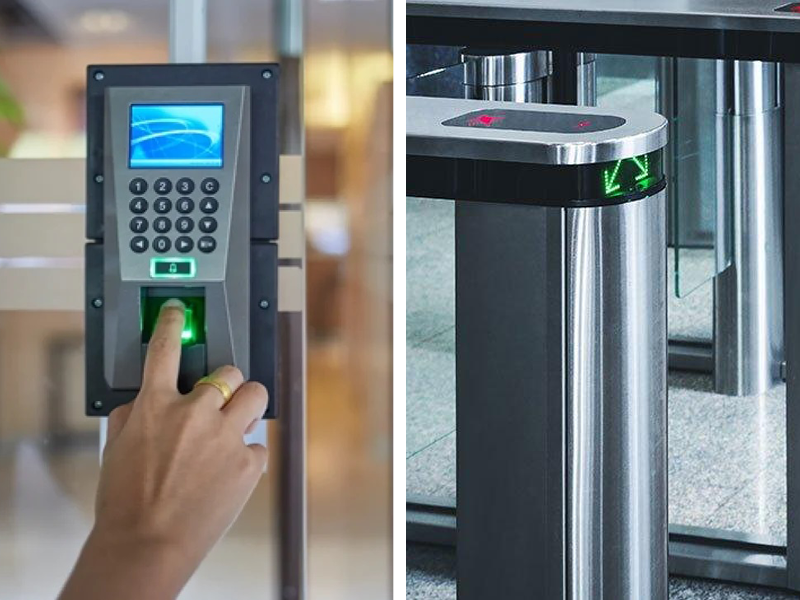
Solutions
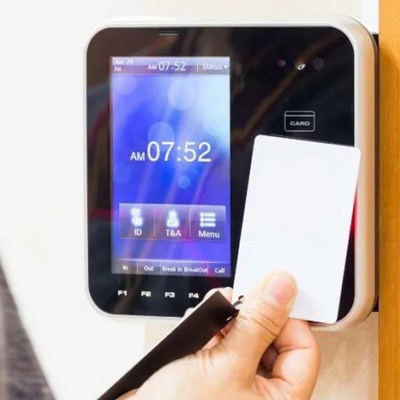
Cloud-Based Access Control
Gain flexibility, scale and reliability.

Biometric & Facial Recognition
Take access control credentials to a higher level
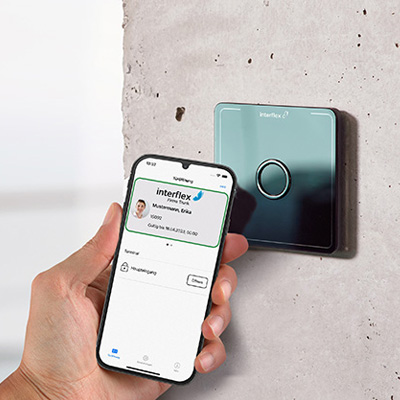
Mobile Credentials
Combine ease of use for your staff with strong security
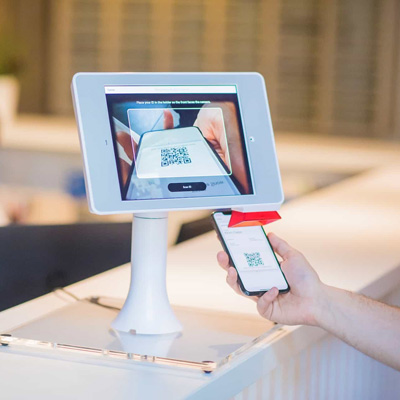
Visitor Management
Extend your access control solution for greater protection
Applications
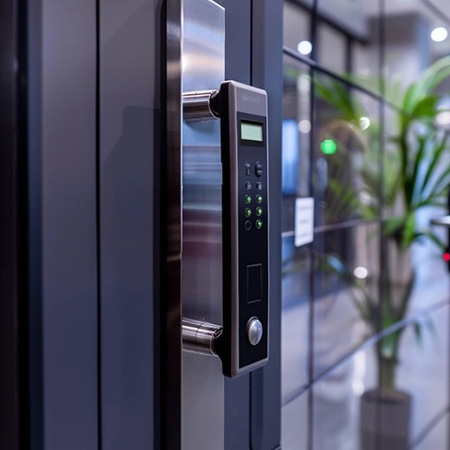
Commercial & Residential Buildings
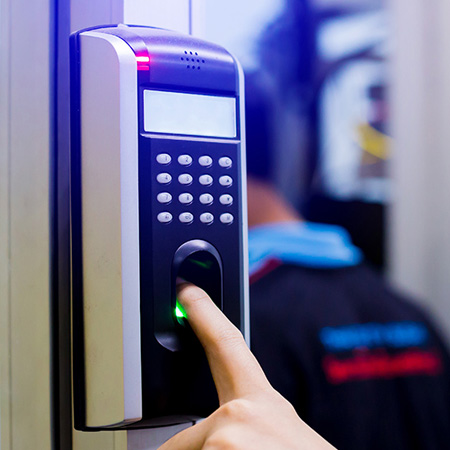
Data Centers

Healthcare Facilities
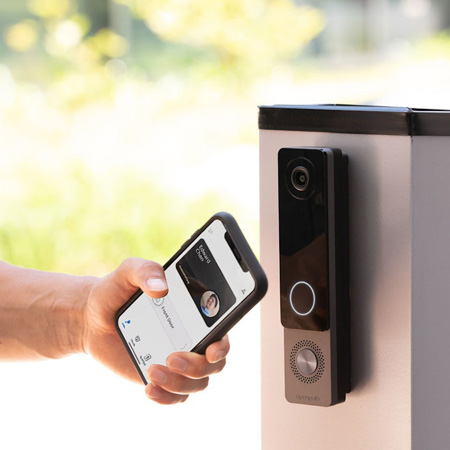
Software Applications
Frequently Asked Questions
Access control refers to the practice of permitting or restricting individuals’ physical access to a building, site or even to specific areas and rooms. These systems can be applied to any physically contained points, such as doors, gates, barriers, fences, turnstiles and even elevators. They can be simple standalone systems controlling one or two doors, or they can be an integrated network that covers multiple buildings.
As the name implies, an access control system controls who enters a site/building and specific areas within those premises and at what time, barring unauthorized visitors without impeding the flow of those who are authorized.
Securitas Technology is proud to provide multiple options when it comes to finding the best access control solution for your business, ranging from door intercoms and card and proximity tokens to biometric and facial recognition from leading manufacturers.
Access control systems enable multiple layers of security and provide more detailed information to owners and managers of facilities. They replace mechanical keys as the main way to control access to and within a building. Access can be tailored to each individual, and modified or revoked at any time. The access control system will also provide an audit trail of "who, when, where" for anyone in the access control system. Mechanical keys do not provide an audit trail or security of the key itself. Keys may be copied easily, whereas access control systems are designed for easy modifications, especially lost or missing cards.
Your business needs access control if you have employees, suppliers or other visitors and you want to control the entrant’s access a certain location, room, area or site, or limit that access to certain times or days.
Preventing unauthorized access to a site helps protect your people, property and assets from damage or theft. Additionally, it may also act as a safety measure, preventing people from going near a potentially dangerous area or equipment.
Access control systems can consist of:
- Swipe-card door lock system, fob or RFID readers
- Touch screens or keypads
- Remote access or smart locks
- Mobile credentials
You can combine technologies within the management systems for increased reliability and convenience.
When it comes to managing your access control system, Securitas Technology provides multiple options. Depending on what’s best for your business, we can provide either a software- or web-based management application, which your team can use to easily manage your access control security. Or, you can delegate administration of your access control system to our team of experienced professionals.
Basic or Standalone System
- A simple way to control one or two doors
- Consists of a physical server and connected computer on the business premises
- Right for: Smaller business or specific locations with no need to connect to other sites
Networked System
- Two or more systems networked over a building, several sites or worldwide
- Managed from a central location with a data server and networked computers
- Right for: Businesses with many offices or sites
Local Cloud-Based System
- Data is held in an on-site server and accessed via a portal website
- System is accessed through the cloud from anywhere, and the hardware is on-site
- Right for: Smaller companies requiring flexibility
Cloud-Hosted System
- Access control server is managed at an off-site data center
- Physical access control, such as key card readers, are still in place on-site
- Right for: Businesses that prefer to outsource the management and maintenance of a networked access control system, or need the flexibility to manage many remote sites
Fully Managed Cloud System
- A monitoring center provides real-time building access and fully manages your access control
- Entirely cloud-based and enables a remote security company to manage the complete system for you
- Right for: A business that needs an entirely cloud-based system
Our skilled engineers can integrate your chosen access control solution into one system for all your security needs, including:
- Access Control
- CCTV
- Intruder Detection
- Fire Detection
- Time and Attendance
- and more
Access control systems provide audit trail reporting of activity by each individual that is using their credential in the access control system. Most access control platforms will provide information in the form of "Who, Where, When" at a minimum. More advanced access control platforms provide an even greater range of information.
A typical access control system for business or commercial applications requires the installation of electronic hardware components and cabling infrastructure. The hardware components will consist of circuit boards, card readers or other identification readers, locking hardware and miscellaneous supporting components. Depending upon the scale of the project, installation may take a few days or extend to a period of months. Most access control systems will require network or internet access for management and reporting purposes.
A proximity system is a fob, card or other device which uses encrypted RFID technology. When the device is presented to the reader, the reader passes the device’s code to the access controller. The controller compares the data being presented with that held in the system’s database and then permits or denies access accordingly. The data can be very specific, only permitting access to that door to that person at a set date/time.
The existing mechanical keying system will remain in place in most access control systems, and any existing functioning keys can still unlock the door(s). It is best practice to change or modify the keying system when deploying an electronic access control system. Keys should be reserved for use by specific individuals and for emergencies only.
Have questions? We can help
Our video security experts can help you implement the right security system for your business.