


Intrusion Detection & Burglar Alamrs
Intrusion detection and burglar alarm systems are designed to protect properties by detecting unauthorized entry. These systems typically use sensors to identify movement, open doors/windows, or broken glass, triggering an alarm and potentially notifying a monitoring center or the homeowner. They can be standalone or integrated with other security measures like access control and surveillance.

Intrusion Detection Systems (Solutions)
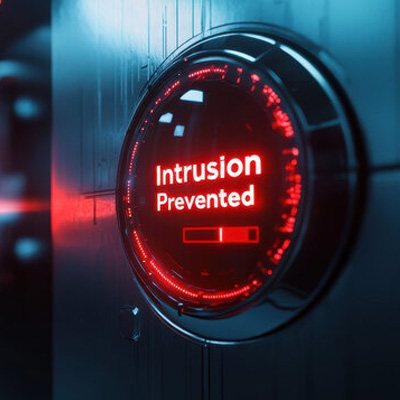
Network-based IDS (NIDS)
Monitors network traffic for suspicious activity, identifying potential threats like malware or unauthorized access to network resources.

Host-based IDS (HIDS)
Monitors individual devices (hosts) for unusual activity, such as unauthorized file modifications or unusual user behavior.
Burglar Alarm Systems (Solutions)
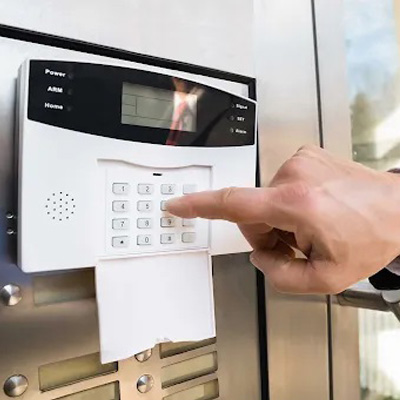
Wired Systems
Use physical cables to connect components (sensors, control panel, alarms). These are generally considered reliable but may require more complex installation.
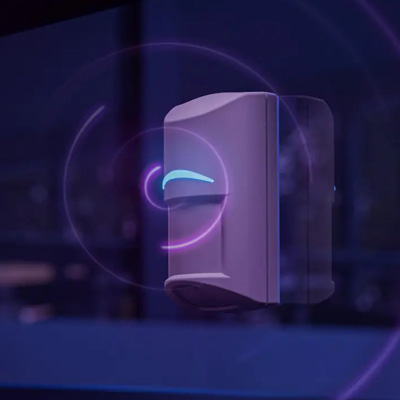
Wireless Systems
Utilize radio signals to communicate, offering flexibility in installation and placement. These systems are often easier to expand and upgrade.
Applications

Residential
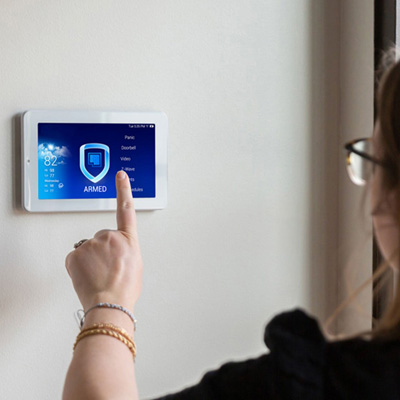
Commercial

Specific Use Cases
Frequently Asked Questions
An IDS monitors a network or system for malicious activity or policy violations, alerting designated personnel to potential threats.
A burglar alarm system is a network of electronic devices designed to detect unauthorized entry into a building or area and alert occupants or authorities.
The two main types are Network-based Intrusion Detection Systems (NIDS) (monitoring network traffic) and Host-based Intrusion Detection Systems (HIDS) (monitoring activities on individual devices).
Burglar alarm systems can be wired or wireless, and can be monitored by a central station or not, according to Securens.
It detects unauthorized entry, triggers an alarm (audible or silent), and can notify occupants or a monitoring service.
While some systems can be self-installed, professional installation is recommended, especially for complex systems or hardwired setups according to Securico.
Yes, most systems offer customizable settings such as entry/exit delays, sensor sensitivity, and alarm volume according to Securico.
It's recommended to test your system at least monthly to ensure proper functionality and connection with the monitoring service says Securico.
Modern wireless systems are generally reliable, especially with advanced protocols, battery backups, and cellular connectivity.
Consider factors like reliability, speed of detection, false alarm rate, monitoring options, ease of use, and integration with other systems.
Common types include infrared, microwave, and ultrasonic sensors.
Wired systems are generally more reliable but more costly to install, while wireless systems are easier to install but require more maintenance (e.g., battery replacement).
Have questions? We can help
Our video security experts can help you implement the right security system for your business.