


Cybersecurity for ELV Networks
Cybersecurity for Extra Low Voltage (ELV) networks is crucial because these systems, which include security cameras, access control, and fire alarms, are increasingly interconnected and vulnerable to cyberattacks. Compromised ELV systems can lead to data breaches, disruption of building functions, and unauthorized access. Implementing robust cybersecurity measures, such as zero-trust architectures, AI-driven anomaly detection, and encryption, is essential to protect these critical systems.
Solutions

CCTV Surveillance
High-definition IP cameras with AI-powered analytics for real-time monitoring and threat detection.
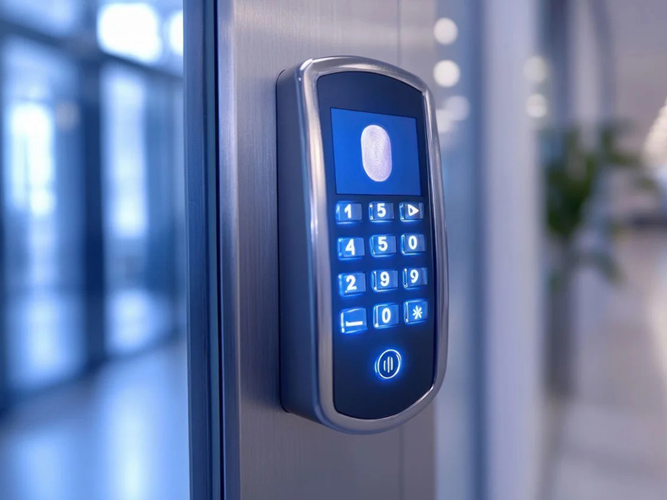
Access Control
Biometric authentication (fingerprint, facial recognition) and RFID-based access control.
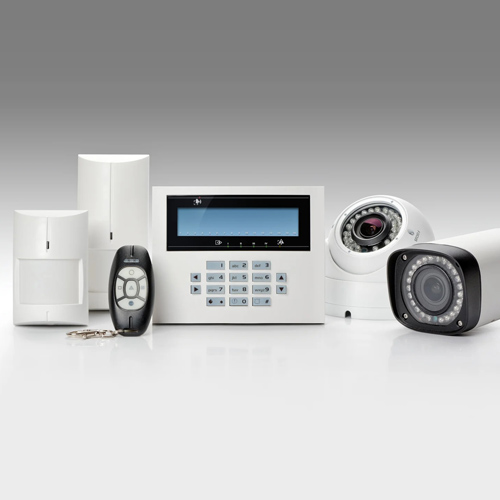
Intrusion Detection and Alarm Systems
Secure communication channels for alarm signals to prevent tampering or interception.
Applications
- Physical Security
- Network Security
- User Access Management
- Integrated Security Management
- Industrial Facilities
Frequently Asked Questions
ELV networks, like any other network, are vulnerable to various attacks, including:
- Malware: Malware can disrupt operations, steal data, or gain unauthorized access to control systems.
- Phishing attacks: Phishing emails can trick users into revealing sensitive information or downloading malware.
- Ransomware: Ransomware can cripple operations by locking out users from critical systems.
- Unauthorized access: Unsecured access points or weak passwords can allow attackers to gain entry to the network.
- Denial-of-service (DoS) attacks: These attacks can overwhelm the network, making it unavailable.
- Strong Access Controls: Implement robust access control systems, including strong passwords, multi-factor authentication, and role-based access, according to Omega Engineering and Duo Security.
- Regular Security Audits: Conduct regular security audits and vulnerability assessments to identify and address weaknesses.
- Network Segmentation: Segment the network to limit the impact of a breach, isolating critical systems from less sensitive ones.
- Firewall Protection: Implement firewalls to control network traffic and block unauthorized access.
- Intrusion Detection/Prevention Systems (IDS/IPS): Deploy IDS/IPS to monitor network traffic for malicious activity and block threats.
- Security Awareness Training: Educate employees about cybersecurity best practices and how to recognize and avoid phishing attacks.
- Reduced Risk of Unauthorized Access: Strong access control mechanisms limit who can access the network and its resources, minimizing the risk of unauthorized access and data breaches.
- Protection of Critical Systems: By controlling access to critical systems, organizations can prevent unauthorized modifications or disruptions.
- Compliance with Regulations: Many regulations require organizations to implement access controls to protect sensitive data.
- Access Control Systems: These systems rely on electronic devices to control entry to premises. Weaknesses in these systems can allow unauthorized access.
- Building Management Systems (BMS): BMS control various building functions, including lighting, HVAC, and security. Cyberattacks on BMS can disrupt building operations and potentially compromise safety.
- Surveillance Systems: Security cameras and recording devices can be targeted by attackers, potentially leading to the loss of video evidence or the ability to monitor security threats.
- Communication Systems: ELV networks often include communication systems for intercoms, public address systems, and other functions. These systems can be vulnerable to eavesdropping or disruption.
- Implement a comprehensive cybersecurity strategy: This should include policies, procedures, and technical controls to protect the network.
- Stay informed about emerging threats: Cybersecurity is constantly evolving, so it's important to stay up-to-date on new threats and vulnerabilities.
- Engage with cybersecurity experts: Consult with cybersecurity professionals to assess risks and implement appropriate security measures.
- Continuously monitor and improve security: Regularly review and update security measures to adapt to changing threats and vulnerabilities.
Have questions? We can help
Our video security experts can help you implement the right security system for your business.