


Energy Monitoring & Power Meters
Energy and power meters are essential tools for tracking electricity consumption and managing energy usage. Energy meters, like those in homes, measure total consumption over time, while power meters, used in industrial settings, provide real-time monitoring of power usage and quality. These devices are crucial for understanding and optimizing energy consumption, whether for billing purposes in homes or for efficient load management in industrial facilities.
Solutions
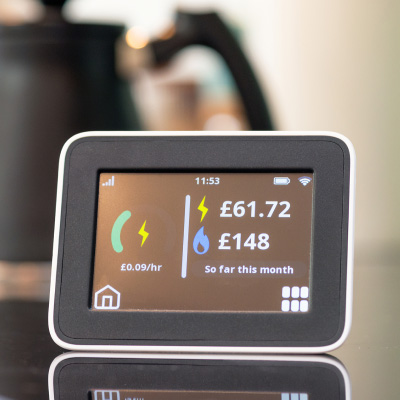
Digital Energy Meters
Provide accurate measurements of electricity usage and often include smart features.

Power Monitoring Systems
These systems typically include a power metering device and a monitoring system to track energy distribution.
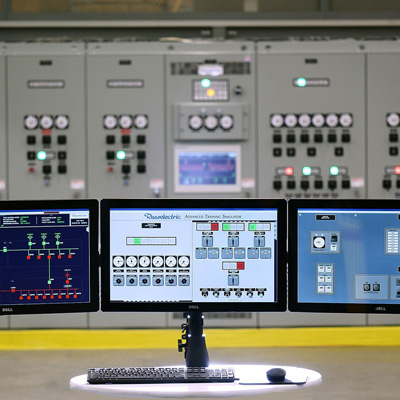
Power Monitoring and Control Software
Software solutions enable real-time monitoring, data analysis, and management of power systems.
Metering Devices
These can include electricity meters, gas meters, water meters, and thermal meters, as well as sensors for various energy sources.
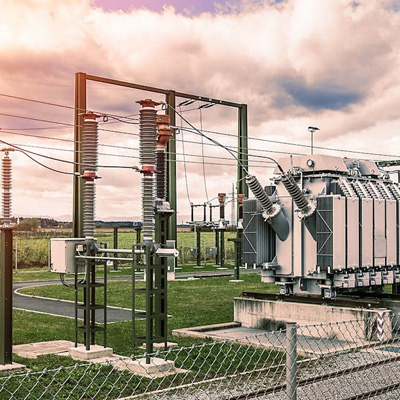
Current Transformers
Essential components in energy metering, used to measure the current flow in a circuit.
Our Applications
- Residential
- Commercial
- Industrial
- Smart Grids
- Solar PV Systems
- Battery Storage Systems
- Electric Vehicle Charging
- Data Centers
- Railways
- Medical Facilities
- Cost Control
Frequently Asked Questions
- Smart meters are digital meters that can automatically transmit meter readings to the utility provider, enabling more accurate billing.
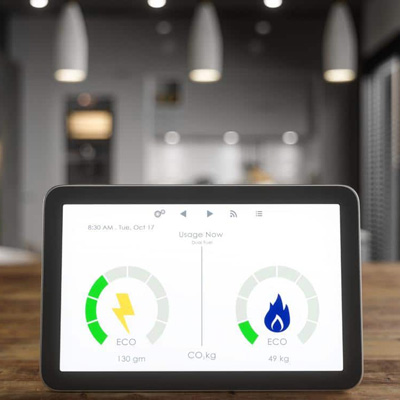
- They often come with an in-home display to show real-time energy usage and cost information.
- Smart meters can be used with prepaid or postpaid tariffs.
- They use a secure communication network, often similar to mobile phone networks, to transmit data.
-
Accurate billing:
Eliminates estimations and ensures you pay only for what you use, according to Adani Electricity.
-
Real-time monitoring:
Allows you to track energy usage and identify areas where you can reduce consumption, according to Waltero.
-
Cost savings:
By identifying inefficient appliances and usage patterns, you can take steps to reduce your energy bills.
-
Prepaid functionality:
Offers the flexibility of paying for your energy in advance, which can help with budgeting.
-
Improved grid efficiency:
More accurate energy consumption data helps utilities manage the grid more efficiently.
-
Integration with renewable energy:
Smart meters can be integrated with solar panels and other renewable energy sources.
- Traditional meters require manual reading, while smart meters transmit readings automatically.
- Traditional meters don't offer real-time monitoring or detailed usage data like smart meters.
- Smart meters often come with features like prepaid functionality and low credit alerts, which traditional meters lack.
-
Easy top-up facility:
You can easily recharge your prepaid smart meter through various online and offline channels.
-
Low credit notifications:
You'll receive alerts when your credit is running low, preventing unexpected disconnections.
-
Emergency credit:
Utilities may offer emergency credit during holidays or off-peak hours.
-
Promotional discounts:
Smart meters can enable utilities to offer promotional discounts on energy consumption.
- You can recharge your smart meter through the utility's website or mobile app, or by visiting authorized payment centers.
- You can also recharge through various online recharge platforms like Paytm, Billdesk, and others.
- Power meters: measure the rate of energy consumption at a given moment, usually in kilowatts (kW).
- Energy meters: measure the total amount of energy consumed over a period of time, usually in kilowatt-hours (kWh).
- Power meters are more common in industrial and commercial settings, while energy meters are used for billing purposes at homes and businesses.
- In many areas, it may not be possible to revert to a traditional meter once smart meter infrastructure is in place.
- Old meters may also become outdated and no longer supported by manufacturers.
Have questions? We can help
Our video security experts can help you implement the right security system for your business.