


Smart Metering & Utility Interfaces
Smart metering involves using digital meters that record and transmit energy consumption data to utility providers, facilitating two-way communication and enabling remote management and analysis of energy usage. These systems, often referred to as Advanced Metering Infrastructure (AMI), are a core component of smart grids, offering benefits like accurate billing, outage detection, and potential for demand-side management.
Solutions
Smart Electricity Metering
Provides real-time monitoring of electricity consumption, enabling remote management and demand-side management.
Smart Gas Metering
Enables remote monitoring and management of gas consumption, facilitating leak detection and efficient distribution.
Smart Water Metering
Provides real-time data on water usage, allowing for better water management, leak detection, and conservation efforts.
IoT-based Metering
Utilizes Internet of Things (IoT) technologies to connect smart meters to networks, enabling remote monitoring and data analysis.
Wireless Communication Technologies
Utilizes technologies like NB-IoT, LTE Cat 1, LoRaWAN, and Zigbee for secure and reliable data transmission.
Home Energy Management Systems (HEMS)
Integrates smart meter data with other smart devices in a home to provide a comprehensive view of energy consumption and allow for automated control.
Building Energy Management Systems (BEMS)
Similar to HEMS but designed for entire buildings, providing detailed energy consumption data and control capabilities.
Applications
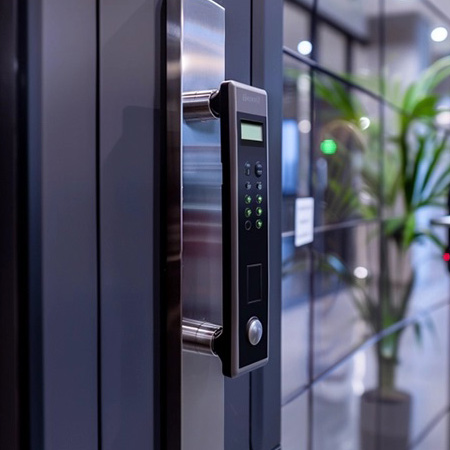
Smart City Management
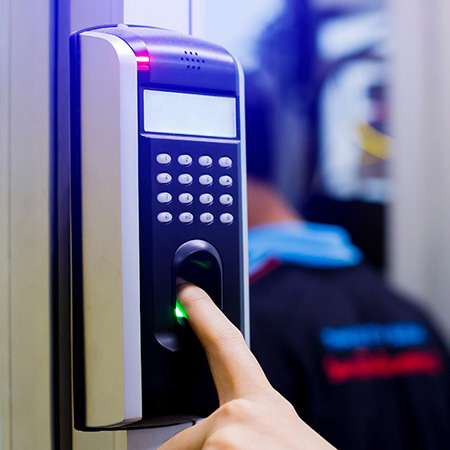
Commercial Buildings

Educational Institutions
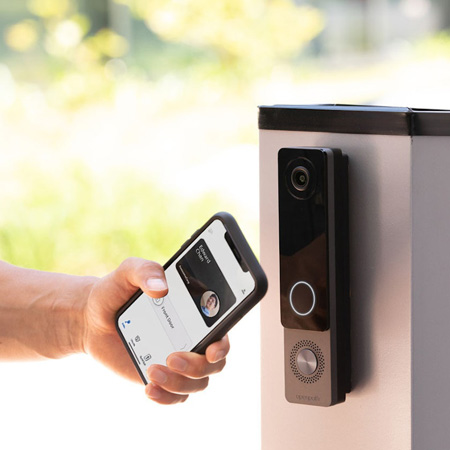
Industrial Facilities
Frequently Asked Questions
- Smart meters are digital meters that automatically record and transmit electricity (and sometimes gas and water) consumption data to utility companies.
- They use communication networks (like cellular or radio frequency) to send readings to a central system.
- This data is then used for billing, outage detection, and other purposes.
- Smart meters can provide near real-time consumption data, allowing for more accurate billing and consumption tracking according to a blog post by Tata Power.
-
Improved Billing Accuracy
Smart meters eliminate manual meter reading, leading to more accurate billing and reduced instances of estimated bills.
-
Real-time Consumption Tracking
Consumers can monitor their usage patterns and identify areas where they can reduce consumption.
-
Prepaid Functionality
Some smart meters offer prepaid options, allowing users to manage their energy spending.
-
Enhanced Utility Operations
Smart meters help utilities improve grid management, detect outages quickly, and optimize energy distribution.
-
Time-of-Use Pricing
Smart meters can facilitate time-of-use pricing, allowing consumers to shift their usage to off-peak hours when electricity is cheaper.
-
Reduced Energy Waste
By providing insights into consumption patterns, smart meters can help consumers identify and reduce energy waste.
-
Definition
Utility interfaces are the communication channels and systems that connect smart meters to the utility company's central system.
-
Functionality
They enable the secure and reliable transmission of data from smart meters to the utility company.
-
Examples
These interfaces can include mobile applications, web portals, or dedicated hardware with displays.
-
Importance
They are crucial for accessing smart meter data, receiving alerts, and managing energy consumption.
Have questions? We can help
Our video security experts can help you implement the right security system for your business.