


Exproof Camera
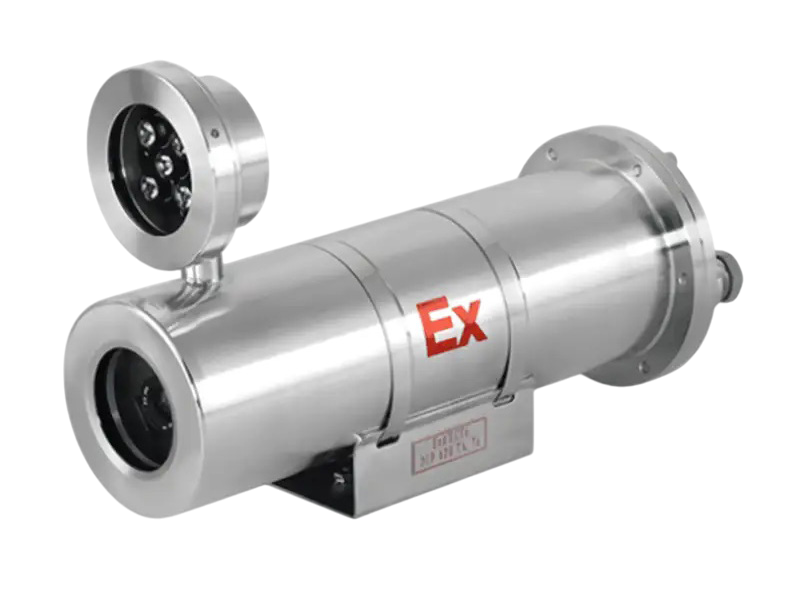
Exproof cameras, also known as explosion-proof or explosion-protected cameras, are specialized surveillance devices designed for use in hazardous environments where flammable gases, vapors, or dust may be present. They are engineered with robust housings to prevent explosions from igniting the surrounding atmosphere and to withstand the forces of an explosion if one were to occur.
Solutions
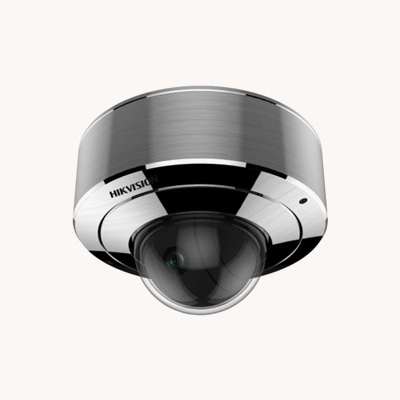
Fixed Dome Cameras
These are typically used for general surveillance in hazardous areas where a wide field of view is needed.
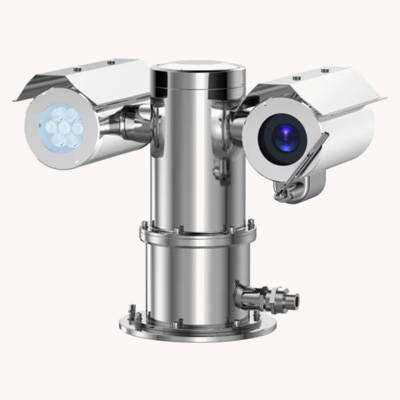
PTZ (Pan-Tilt-Zoom) Cameras
PTZ cameras offer greater flexibility in monitoring, allowing for remote control of the camera's direction, zoom, and focus.
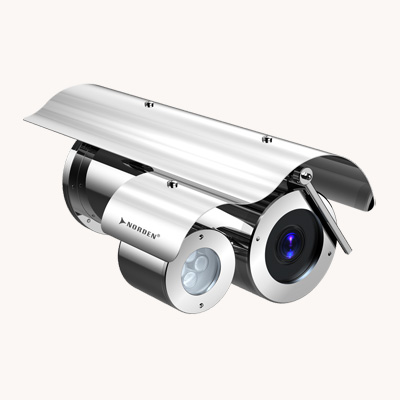
Bullet Cameras
These are more traditional, cylindrical cameras that are often used for point-to-point surveillance.
Applications
- Oil and Gas Industry
- Chemical Plants
- Mining
- Grain Handling and Storage
- Pharmaceutical Manufacturing
- Other Industries
Frequently Asked Questions
-
Construction:
Explosion-proof cameras are built with heavy-duty, robust materials (often stainless steel) to withstand extreme conditions and potential explosions.
-
Purpose:
Regular cameras are not designed to contain explosions, whereas explosion-proof cameras prevent ignition of the surrounding atmosphere.
-
Certification:
Explosion-proof cameras require certifications like ATEX (Europe) or UL (North America) to prove they meet safety standards.
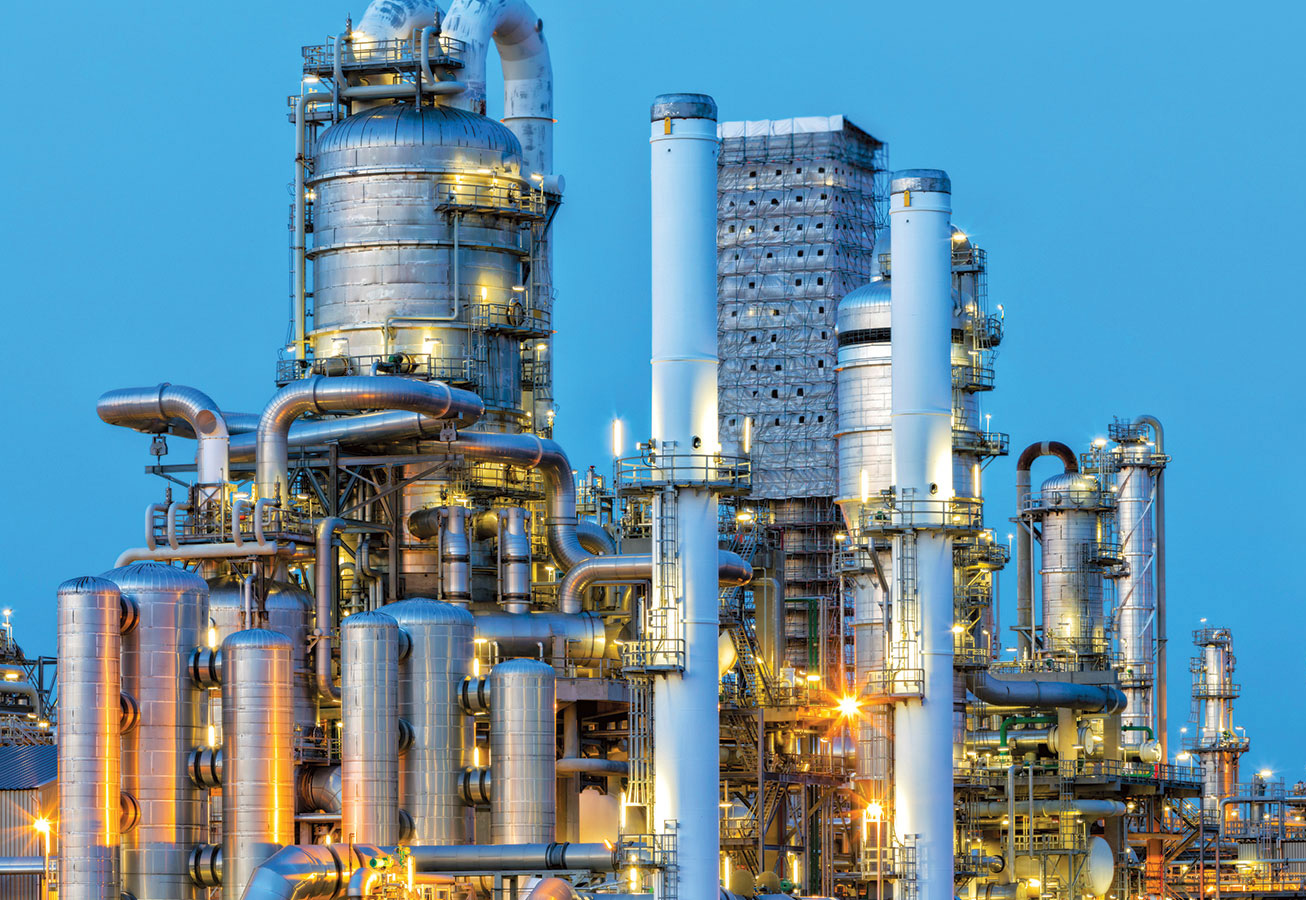
Oil and gas refineries, Chemical plants, Mines, Grain storage facilities, and Other industrial locations with potentially explosive atmospheres.
-
Weather resistance:
Many are designed to be weather-resistant with high ingress protection ratings, making them suitable for outdoor use.
-
Low-light capabilities:
Infrared (IR) illumination allows for clear images in low-light or dark conditions.
-
PTZ functionality:
Pan-tilt-zoom (PTZ) models offer wide-area coverage and the ability to zoom in on specific areas or objects.
-
Temperature tolerance:
They are often designed to operate in extreme temperatures, with features like built-in heaters or cooling systems.
-
Corrosion resistance:
Stainless steel construction helps prevent corrosion in harsh environments.
- ATEX: A European standard for equipment used in potentially explosive atmospheres.
- UL: A North American safety certification.
- Hazardous environment: Consider the specific type of hazard (gas, dust, etc.) and the appropriate camera rating for that environment
- Temperature and humidity: Ensure the camera can operate within the expected temperature and humidity ranges.
- Optical and digital zoom: Assess the necessary zoom range for effective surveillance.
- Installation requirements: Consult with experts to ensure proper installation and grounding.
- Compliance with local and international safety standards: Adherence to these standards is crucial for safety and legal compliance.
Have questions? We can help
Our video security experts can help you implement the right security system for your business.