


GAS Detector
A gas detector is a device that senses and indicates the presence or concentration of specific gases in a volume of space, often as part of a safety system to warn of potentially hazardous conditions like the presence of toxic or flammable gases, or oxygen depletion. They convert gas presence into an electrical signal by using sensing materials that change physical properties, with different technologies for various gases like combustible, toxic, and oxygen levels. Gas detectors can be fixed for permanent monitoring or portable for continuous, personal use, sounding alarms when pre-set danger thresholds are met.
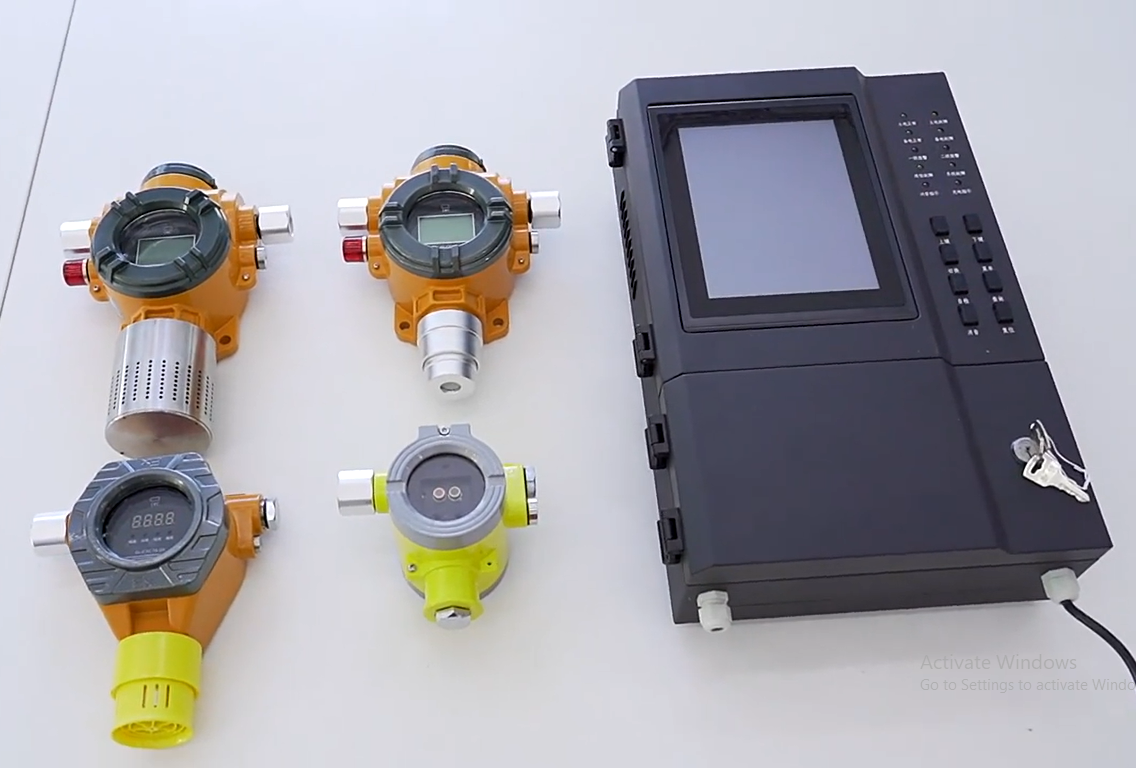
Solutions
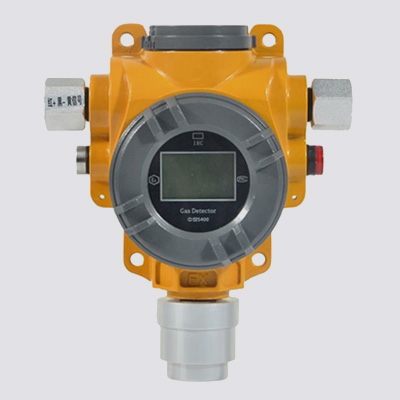
Fixed Gas Detectors
These are permanently installed in a specific location, such as a plant or control room, to continuously monitor the atmosphere.
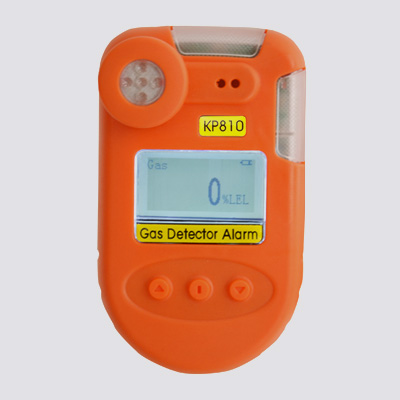
Portable Gas Detectors
These are compact, battery-powered devices that users can wear or carry to monitor conditions while moving through different zones or sites.
Applications
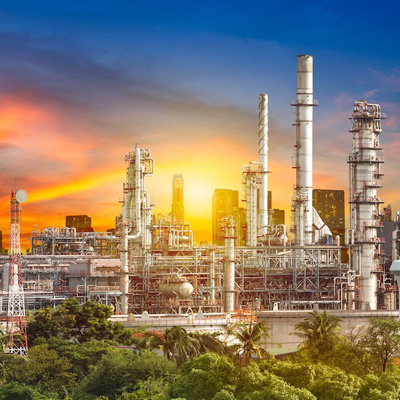
Industrial
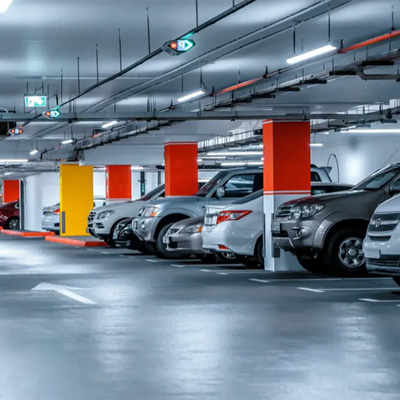
Public Spaces

Residential
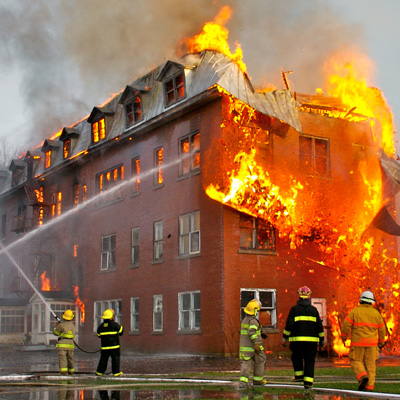
Specialized Fields
Frequently Asked Questions
- Gas detectors, also known as gas meters or analysers, are devices that monitor the concentration of certain gases in the atmosphere.
- They are designed to detect dangerous conditions like hazardous gas leaks, the presence of toxic or flammable gases, or oxygen depletion.
- Electrochemical: Measure gas concentration by producing a current when the gas oxidizes or reduces at an electrode.
- Catalytic Bead: Often used to detect combustible gases.
- Infrared (NDIR): Detect hydrocarbons and carbon dioxide (CO2) by sensing their absorption of specific infrared light.
- Photoionization: A technology also used in gas detection.
Commonly, devices like a 4-gas monitor or multi-gas detector will monitor for oxygen (O2), carbon monoxide (CO), hydrogen sulfide (H2S), and combustible gases (such as methane or CH4).
Portable Gas Detectors:
These are battery-operated units worn by workers to provide real-time monitoring, especially in confined spaces or industrial settings.
Fixed Gas Detectors:
Permanently installed in locations where hazardous gases are a constant concern, such as industrial plants or laboratories, and are connected to central control systems.
Monitoring gas levels is crucial for protecting people's safety by detecting leaks, toxic emissions, and hazardous atmospheric conditions, preventing accidents and ensuring safe working environments.
- A bump test involves applying a known concentration of a test gas to a detector to verify that its sensors are functioning correctly and will alarm at the appropriate levels.
- This test is a quick way to confirm the gas detector's proper operation before use, though it does not replace a full calibration.
Have questions? We can help
Our video security experts can help you implement the right security system for your business.