


Time Attendance & People Counting
Time & Attendance and People Counting systems are complementary technologies used to manage and analyze employee work patterns and customer traffic. Time and attendance systems track employee work hours, while people counting systems monitor foot traffic in a given area, such as a retail store or building entrance. Both systems offer valuable insights for optimizing operations and improving efficiency.
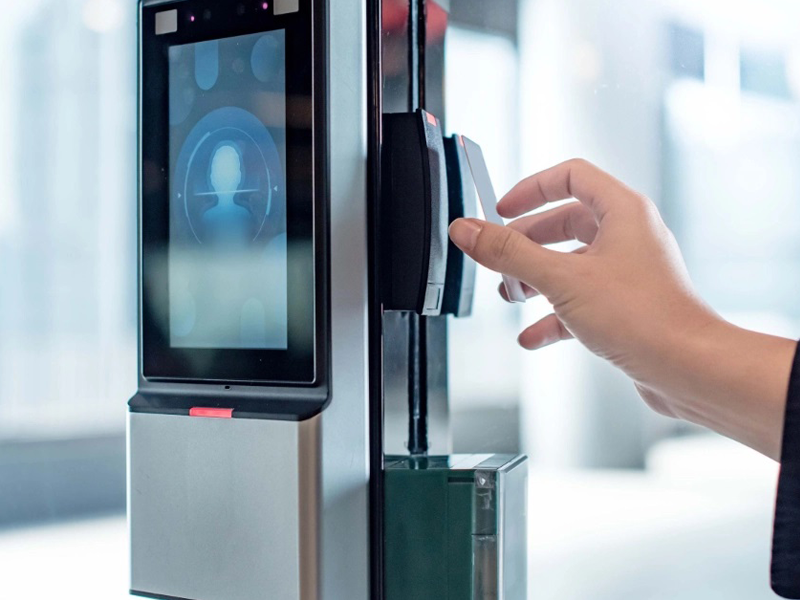
Time and Attendance Solutions
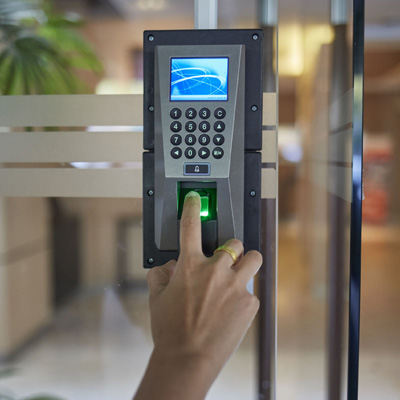
Biometrics
Fingerprint, facial recognition, or palm scanning for secure and accurate identification.
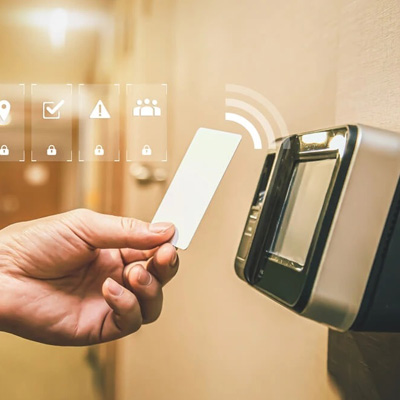
RFID/NFC
Using cards or tags for clocking in and out.
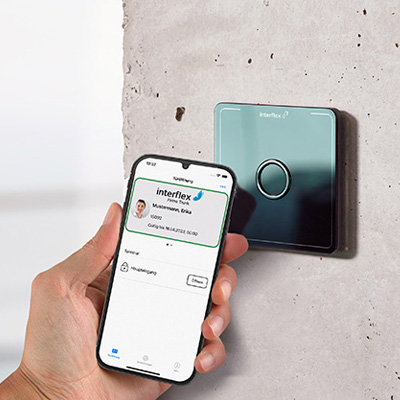
Web/Mobile Apps
Employees can clock in/out through web browsers or mobile devices.
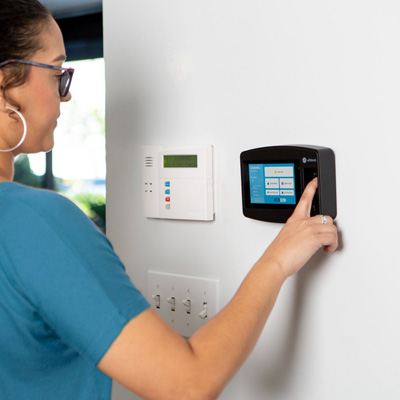
Time Clocks
Traditional time clocks or newer, more advanced systems.
People Counting Solutions
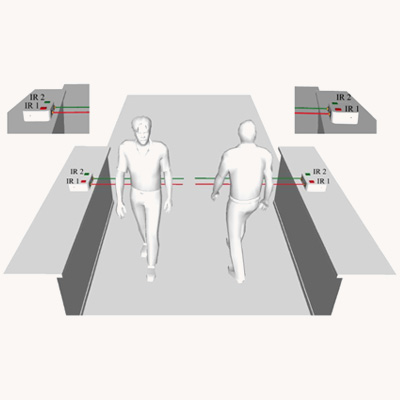
Infrared Sensors
Detect interruptions in infrared beams as people pass through.
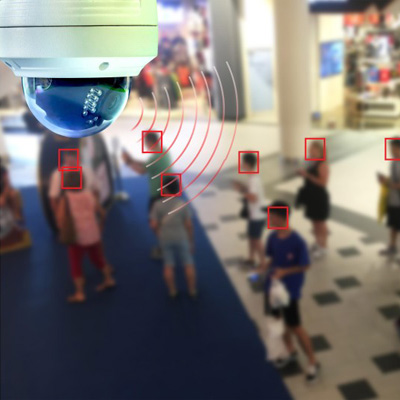
Video-Based Systems
Use cameras and image analysis to identify and count individuals.
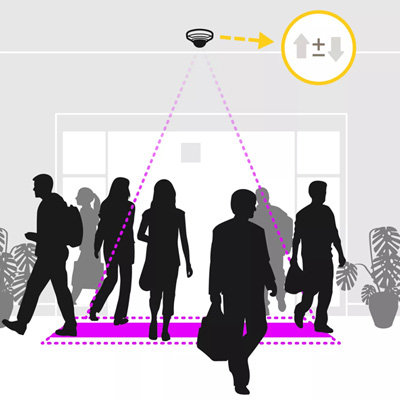
Thermal Imaging
Detect body heat to count individuals, often used in low-light conditions.
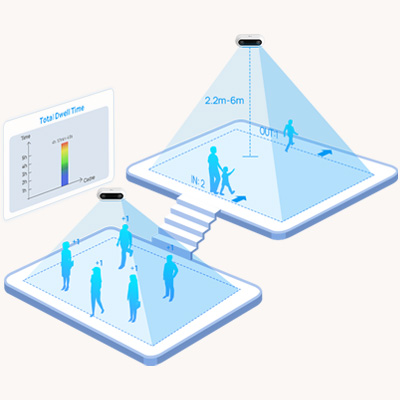
Stereoscopic Vision
Use 3D models to distinguish between people and objects for higher accuracy.
Time and Attendance Applications
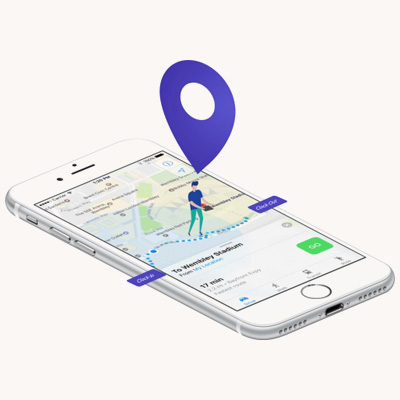
Mobile apps with GPS tracking.
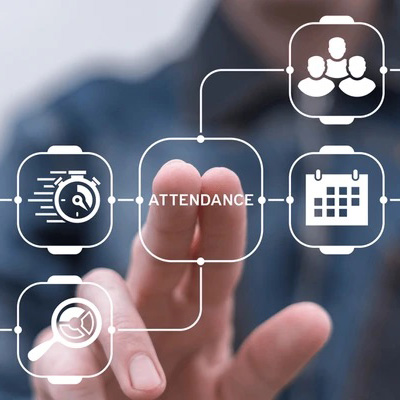
Web-based interfaces.
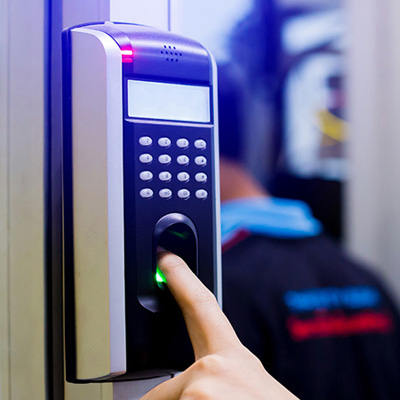
Biometric scanners (fingerprint, facial recognition).
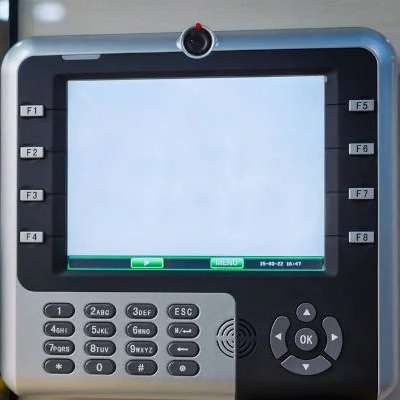
Physical time clocks
People Counting Applications
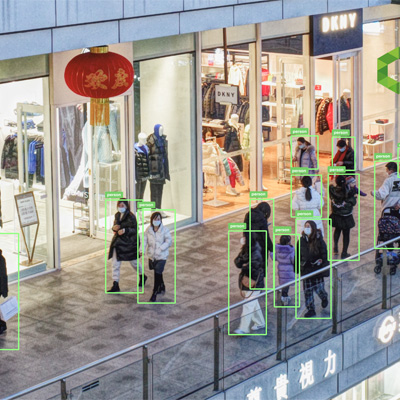
Public Places
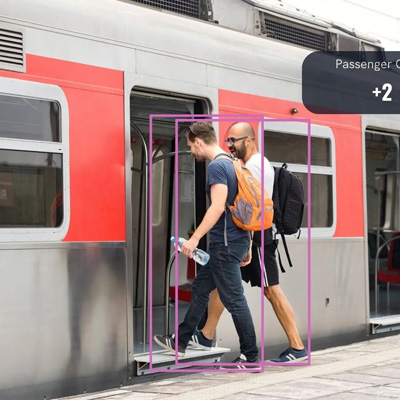
Public Transport
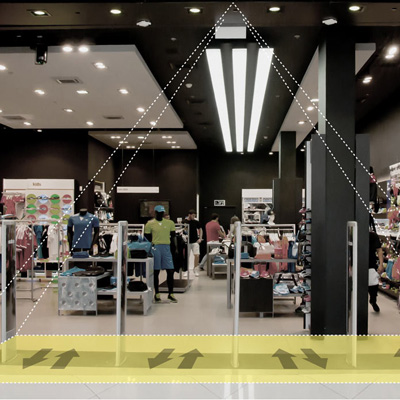
Retail
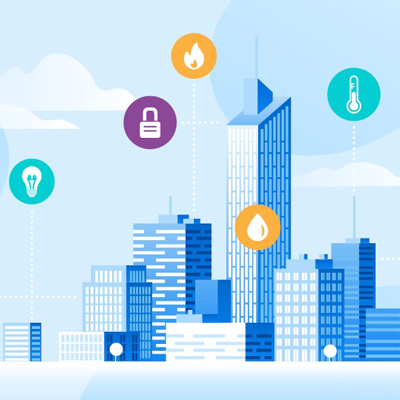
Smart Building
Frequently Asked Questions
It's a system that tracks when employees start and stop working, including breaks and overtime, often automating the process through software or hardware.
They reduce errors in payroll, ensure compliance with labor laws, and provide valuable insights into employee productivity.
Systems can use various methods like biometric scanners, card swipes, or mobile apps to record employee clock-ins and clock-outs.
Shift management, real-time tracking, payroll integration, and reporting are common features.
Yes, many systems offer features like mobile punch-in with GPS tracking and web-based portals for remote attendance management.
They automate calculations for overtime, breaks, and other labor law requirements, minimizing the risk of non-compliance.
Automation saves time, reduces errors, and provides better data for decision-making.
Manual systems are time-consuming, prone to errors, and difficult to manage in larger organizations.
It's the process of tracking the number of people entering or exiting a space, often used for security, occupancy management, and optimizing resource allocation.
People counting systems use sensors, cameras, or other technologies to detect and count individuals.
It helps optimize staffing, manage queues, improve safety, and gather valuable insights for event planning and retail operations.
By monitoring crowd density, organizers can adjust resources, improve safety, and ensure a better experience for attendees.
It helps prevent overcrowding and ensures clear exits, especially in emergencies.
Retail stores, events, public transportation, and building security.
By understanding peak times and crowd flow, businesses can optimize staffing levels and resource allocation.
Yes, it's important to choose systems that comply with privacy regulations like GDPR.
By optimizing resources and preventing overcrowding, it can lead to shorter wait times and a more enjoyable experience.
Have questions? We can help
Our video security experts can help you implement the right security system for your business.