


Cloud-Based Access Control
Cloud-based access control systems offer a flexible, scalable, and cost-effective way to manage physical and digital access to resources. They centralize access management through the cloud, eliminating the need for on-site servers and extensive infrastructure, and allowing for remote monitoring and management. This approach provides enhanced security, real-time insights, and the ability to adapt to evolving business needs.
Solutions

Discretionary Access Control (DAC)
In DAC, the owner of a resource (e.g., a file or application) decides who can access it. This model offers flexibility but requires careful management to prevent unauthorized access, according to Digital Regenesys.
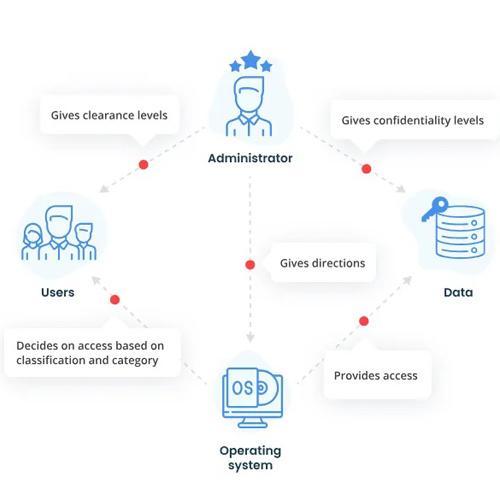
Mandatory Access Control (MAC)
MAC uses a central authority to define access rules and security labels for resources. Users cannot change these rules, making it suitable for high-security environments like government or military systems, says miniOrange.
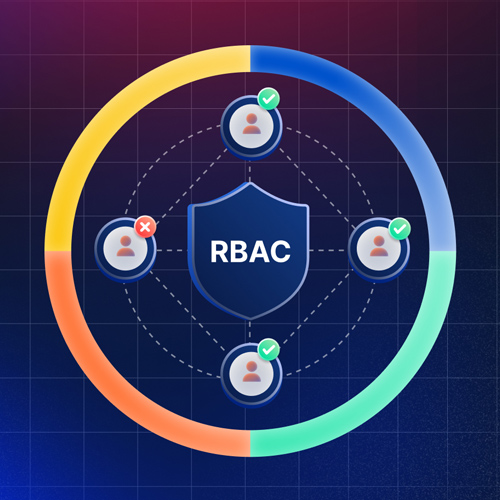
Role-Based Access Control (RBAC)
RBAC assigns permissions based on a user's job role within the organization. Users are granted access to resources based on the roles they fulfill, ensuring they only have access to what's necessary for their tasks.
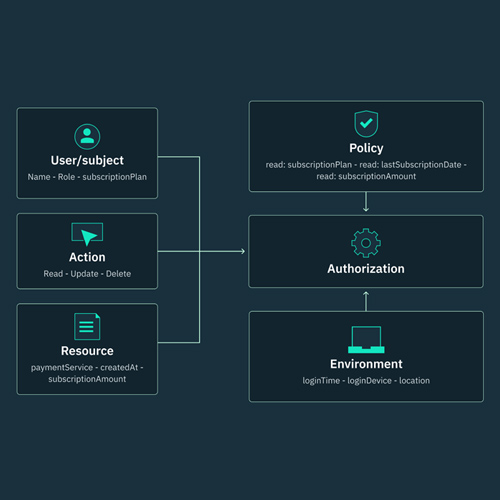
Attribute-Based Access Control (ABAC)
ABAC offers granular control by considering various attributes, such as user characteristics, resource attributes, and environmental conditions, when determining access. For example, access might be granted based on user location, time of day, or device type.
Rule-Based Access Control (RBAC or RB-RBAC)
This model adds another layer of security by defining specific rules that govern access. For example, access might be restricted to a secure network or a specific time of day.
Applications
- Commercial Buildings
- Residential Properties
- Co-working Spaces
- Industrial Facilities
- Education Institutions
- Healthcare Facilities

Frequently Asked Questions
- Cloud-based access control is a system where access permissions and management are hosted on remote servers (the cloud) rather than on-site servers.
- This allows for remote management of access rights from anywhere with an internet connection.
- It often involves a subscription-based model, reducing the upfront cost of hardware and IT infrastructure.
-
Flexibility and Scalability:
Easily adapts to changing business needs, such as fluctuating workforces or multiple locations.
-
Cost-Effectiveness:
Lower upfront costs due to the elimination of on-site servers and reduced IT support needs.
-
Remote Management:
Access and manage access permissions from anywhere with an internet connection.
-
Automatic Updates:
Software updates and new features are handled by the provider, ensuring the system is always up-to-date.
-
Integration with Other Systems:
Seamlessly integrates with video surveillance, visitor management, and other security systems.
-
Enhanced Security:
Cloud providers often have robust security measures in place, including encryption and regular security audits.
-
Maintenance:
Traditional systems require on-site servers and dedicated IT staff for maintenance and updates, while cloud systems are managed by the provider.
-
Scalability:
Cloud systems are easily scalable by adding more resources, whereas traditional systems require acquiring and installing new hardware.
-
Cost:
Traditional systems often have higher upfront costs and ongoing maintenance expenses, while cloud-based systems offer a subscription-based model with lower initial investment.
-
Data Privacy and Security:
Organizations need to ensure that their sensitive data is stored securely and that access to that data is strictly controlled.
-
Compliance:
Cloud access control systems must comply with relevant data privacy regulations, such as GDPR or CCPA.
-
Integration Security:
When integrating with other systems, it's important to ensure that the connections are secure and that data is properly protected.
- Compatibility: Will the system work with my existing hardware and other security systems?
- Credentials: What types of credentials are supported (cards, fobs, mobile devices, biometrics)?
- Access Control Takeover: How can I prevent unauthorized access to my system?
- Cost: How much does a cloud-based access control system cost?
- Dependence on Internet Connectivity: The system relies on internet access, so a loss of connectivity could impact access control.
- Privacy Concerns: Ensuring data security and compliance with privacy regulations is crucial.
- Potential for Vendor Lock-in: Organizations should consider the long-term implications of choosing a specific vendor.
Have questions? We can help
Our video security experts can help you implement the right security system for your business.