


Turnstiles & Speed Gates
Turnstiles and speed gates are access control systems used to manage pedestrian flow in various environments. Turnstiles, often seen in older systems, are characterized by their rotating arms, typically allowing one person to pass at a time and enforcing one-way traffic. Speed gates, also known as optical turnstiles, are more advanced, utilizing sensors and barriers (like sliding or swinging panels) to provide faster and more secure access, often incorporating card readers or biometric authentication.
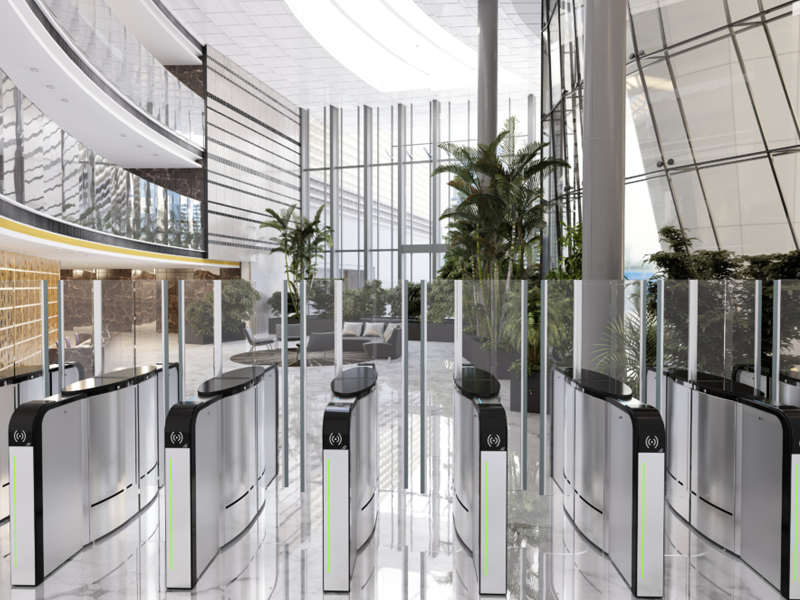
Turnstiles (Solutions)
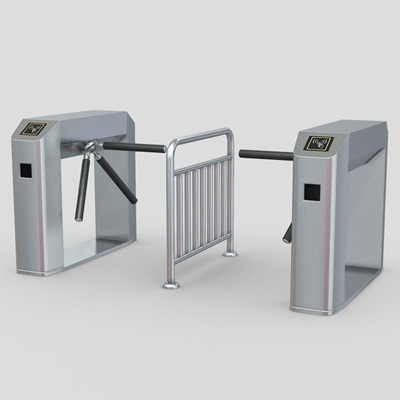
Tripod Turnstiles
These are the most common type, featuring three rotating arms that allow one person at a time to pass through.
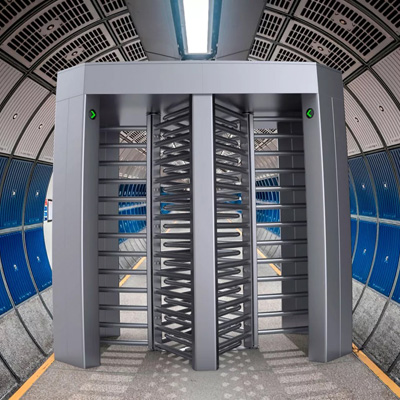
Full-Height Turnstiles
Enclosing the entire passage area, these provide a higher level of security by preventing unauthorized access or climbing over.
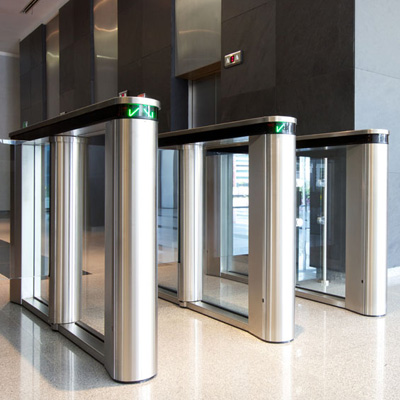
Optical Turnstiles
These utilize infrared sensors and optical barriers to detect and control access, often found in lobbies and entrances.
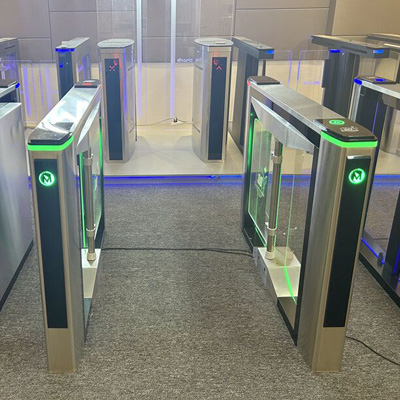
Swing Turnstiles
Featuring swinging panels or barriers, they offer a more open and aesthetically pleasing design.
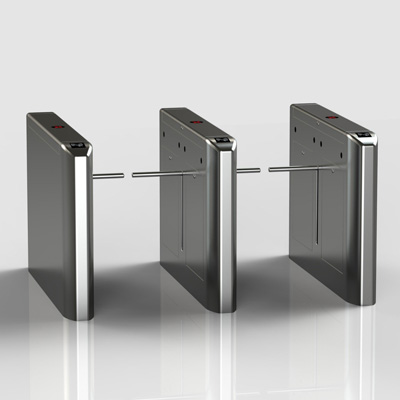
Drop Arm Turnstiles
A variation of the tripod turnstile, where the arms drop down to allow passage after authorization.
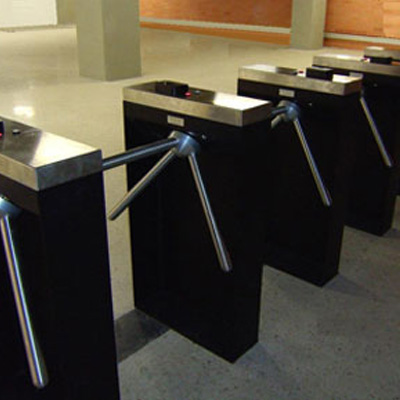
Waist-High Turnstiles
These are lower to the ground and are often used in locations with high foot traffic, like entertainment venues.
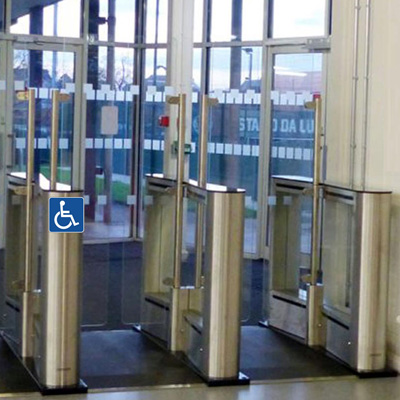
Handicap Turnstiles
These are designed to accommodate individuals with disabilities, often featuring wider openings and accessible designs.
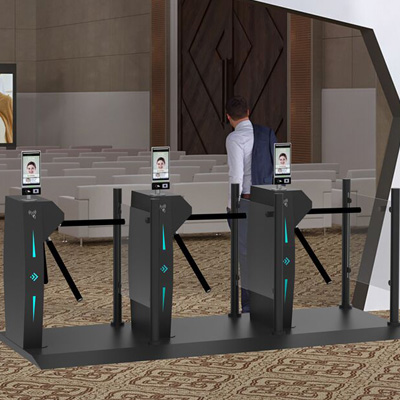
Portable Turnstile Gates
These are designed for temporary use and can be easily moved and installed.
Speed Gates (Solutions)
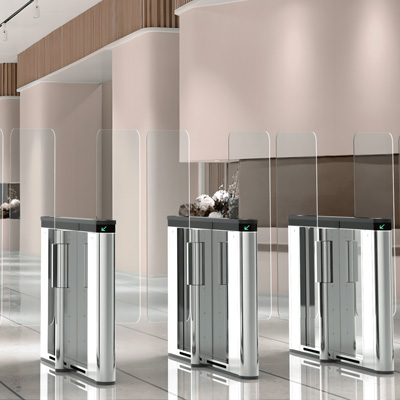
Swing Speed Gates
These utilize swinging panels or barriers to allow for quick entry and exit, often used in modern office spaces.
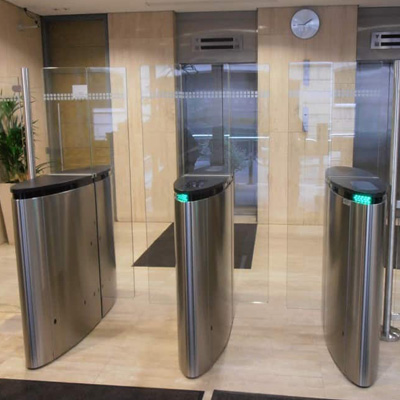
Sliding Speed Gates
Featuring sliding glass or panels, these offer a sleek and high-security option, frequently found in upscale environments.
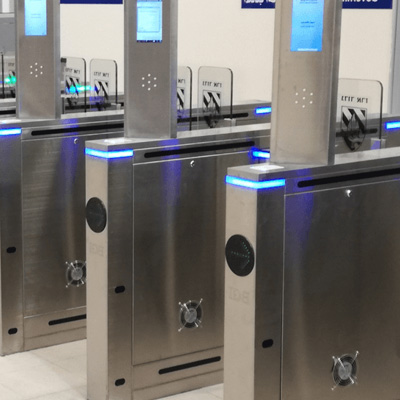
Flap Speed Gates
These gates have a pair of "arms" that swing open to allow passage.
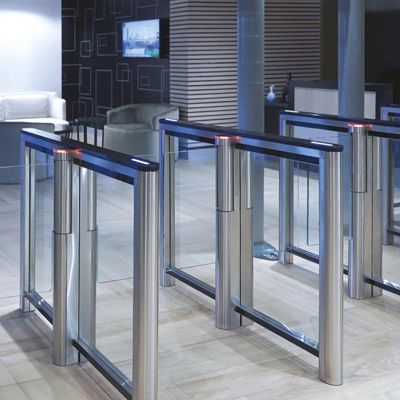
Compact Speed Gates
These are designed for tight spaces, offering a smaller footprint while still providing access control.
Applications
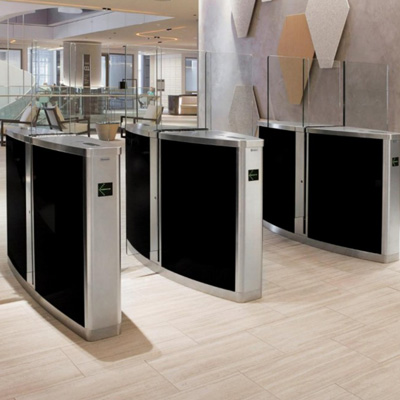
Entrance Control
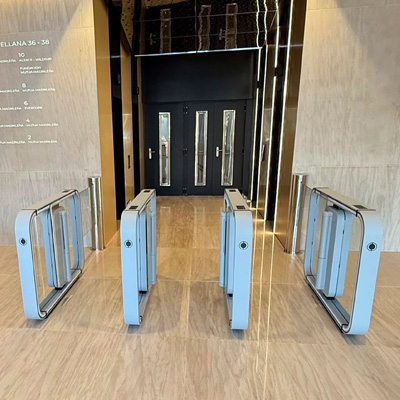
Security
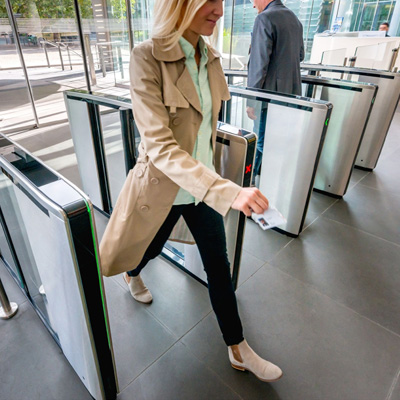
Traffic Management
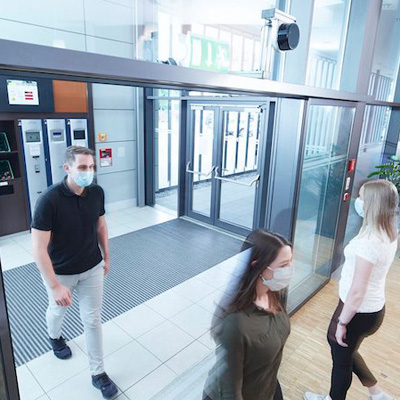
Attendance Counting
Frequently Asked Questions
Both are used to control access to secure areas, manage crowds, and prevent unauthorized entry according to security solution sites.
They create a physical barrier, prevent tailgating, and integrate with security systems like card readers and biometrics says a security blog.
Yes, they can be integrated with various access control systems, including card readers, biometric scanners (like fingerprint or facial recognition), and more notes access control provider.
Common types include tripod (waist-height) turnstiles, optical turnstiles (using sensors instead of physical barriers), and full-height turnstiles (which extend to the ceiling for maximum security) a security systems guide.
Many turnstiles are made of durable materials like stainless steel, making them suitable for outdoor environments, often with added weather protection according to a security solutions provider.
Regular maintenance, including lubrication and software updates, is recommended to ensure smooth operation.
Speed gates are automated turnstiles that use sensors and barriers to allow faster and more discreet entry explains a security solutions provider.
Speed gates can typically handle between 30-45 people per minute, significantly faster than traditional turnstiles reports a turnstile manufacturer.
Speed gates prioritize speed and aesthetics, while turnstiles focus on security and durability details an access control provider.
Yes, they are designed with safety features like collision prevention and automatic closing mechanisms.
Some speed gates are designed to meet accessibility requirements for people with disabilities specifies a security solutions provider.
Have questions? We can help
Our video security experts can help you implement the right security system for your business.