


CCTV & IP Surveillance
Internet Protocol (IP) cameras, also known as network cameras or IP CCTV cameras, are digital video surveillance cameras that operate via an IP network, where they receive and transmit data. IP cameras connect to a network through a Power over Ethernet (PoE) cable or WiFi. Access to footage is possible from a computer, tablet, or smartphone with a wireless internet connection.
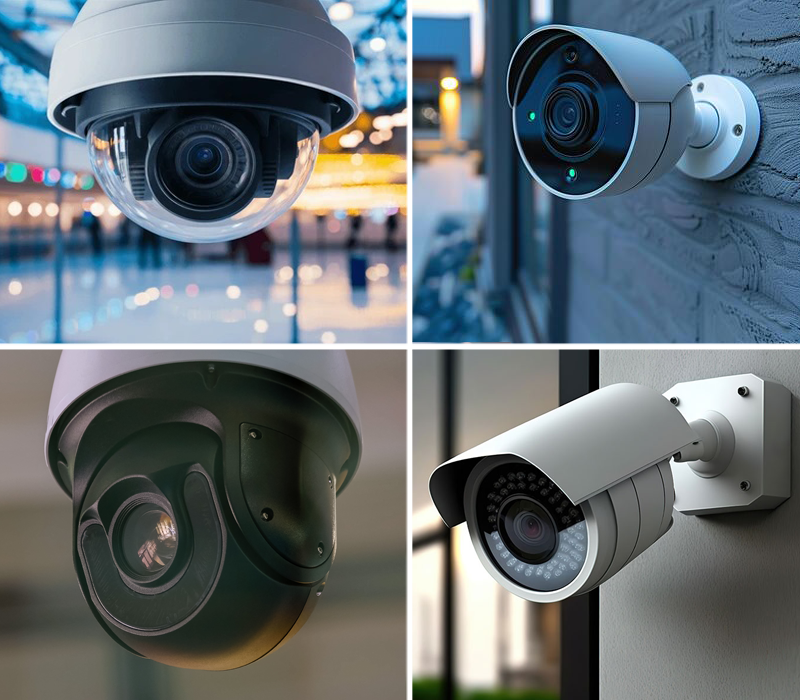
IP security cameras are commonly used to monitor and protect buildings (e.g., stadiums, offices), perimeters (e.g., airports, industrial sites), and traffic (e.g., intersections, tunnels). Professional IP cameras and storage devices are wired with network cables to ensure sufficient and stable bandwidth, while home IP cameras often rely on wireless connections for easier installation and flexibility.
Solutions
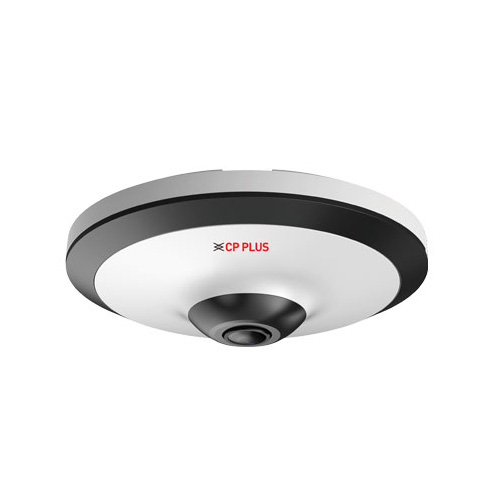
Panoramic Cameras
Panoramic cameras provide 360- or 180-degree coverage without blind spots...
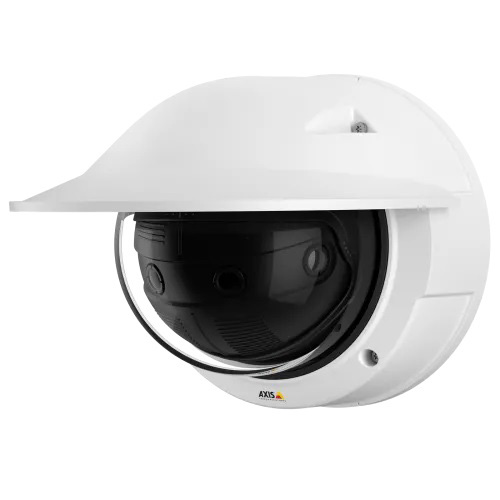
Multi-sensor Cameras
Also known as multi-imager cameras, feature four independent imagers with motorized zoom/focus lenses...
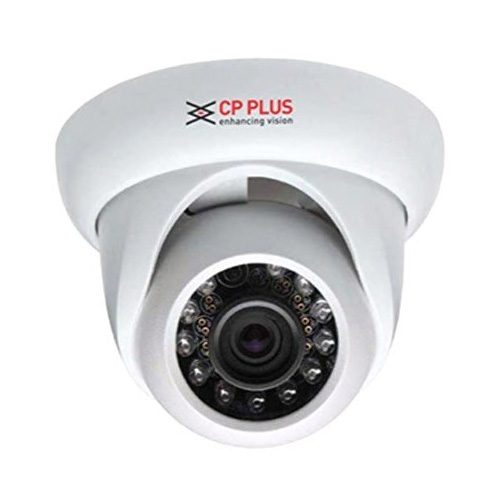
Dome Cameras
Dome cameras are a range of versatile IP surveillance cameras for indoor or outdoor use...
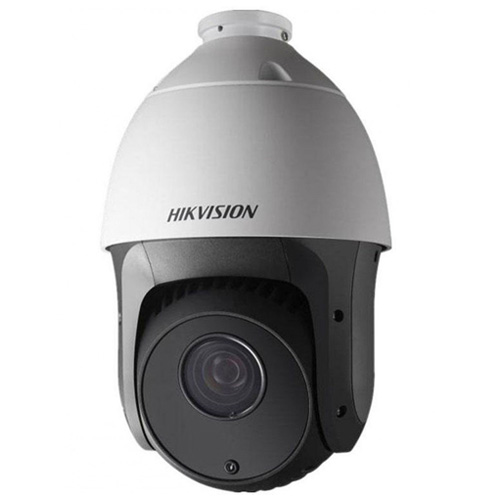
Moving Pan-tilt-zoom Cameras
Allow remote control of direction and zoom (PTZ) to effectively cover large areas...
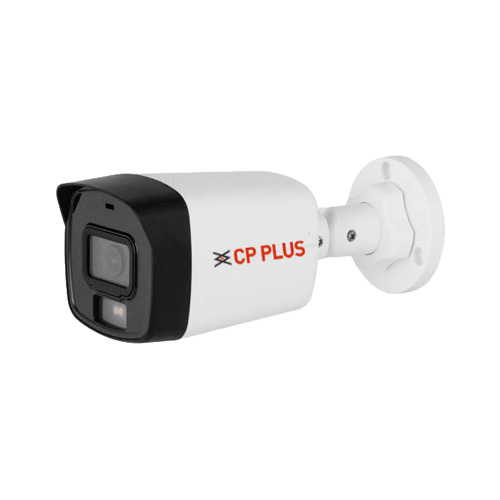
Bullet Cameras
DINION bullet cameras are designed for indoor and outdoor applications.
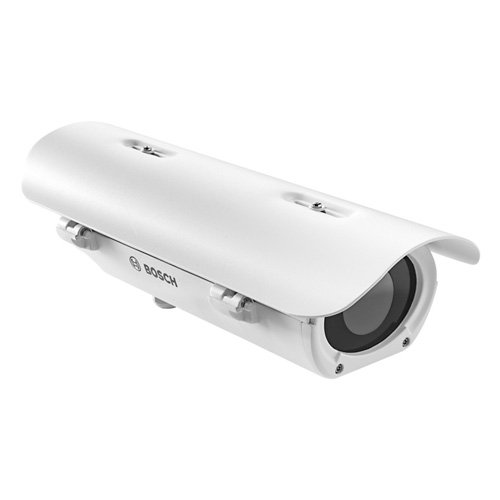
Thermal Security Cameras
DINION thermal IP cameras use the latest uncooled vanadium oxide microbolometer technology that provides exceptional sensitivity for excellent thermal images.
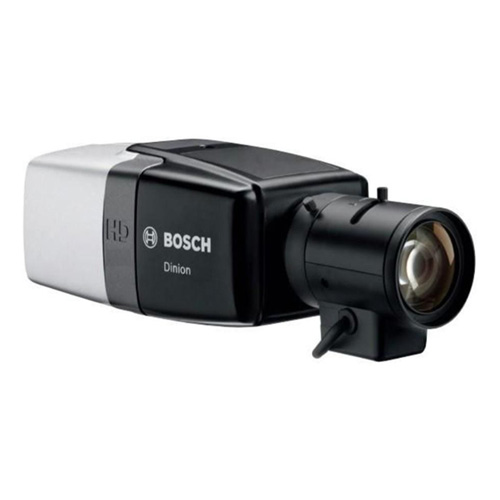
Box Cameras
DINION box IP cameras offer clear images 24/7 to ensure optimal protection and deterrence.
Applications
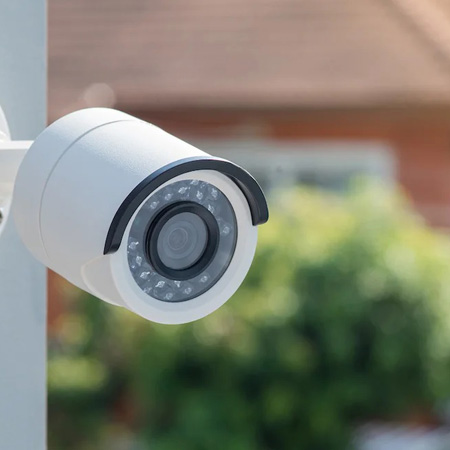
Home Security
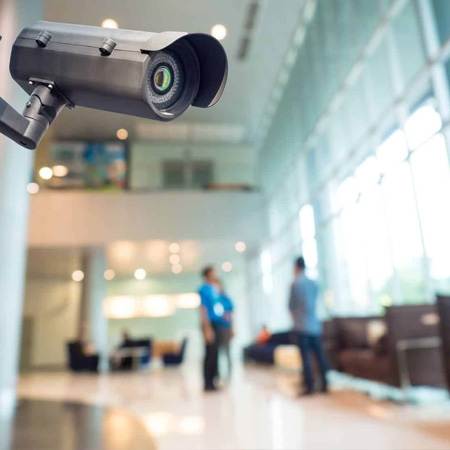
Business Security
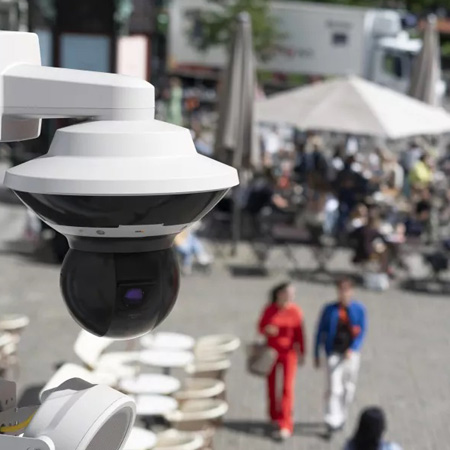
Public Safety
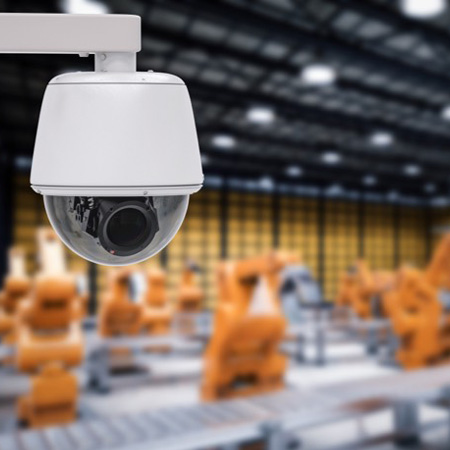
Industrial Surveillance
Frequently Asked Questions
Yes, IP cameras are considered a type of CCTV (Closed-Circuit Television). While traditional CCTV systems use analog signals, IP cameras transmit video over a network using the Internet Protocol (IP), allowing for more advanced features such as higher resolution and remote access.
No, IP cameras do not need the Internet to work. They can record and store CCTV footage on a local network using a network video recorder (NVR) or other storage devices. Most security cameras can also store video recordings on a local SD-card but this gives retention limitations. However, Internet access is required for remote viewing and management or if customers want to store their video recording in the cloud.
IP security cameras do not necessarily need WiFi to function. They can operate over a wired Ethernet connection. These wired IP cameras provide a stable and reliable connection without relying on wireless networks. However, wireless IP cameras that use WiFi offer the advantage of a more flexible installation and eliminate the need for physical network cables. In principle any wired IP camera can become wireless if wireless network equipment is added. This can be ideal for situation where it is very hard to make a wired connection like with extreme heights or remote locations. However, the most stable and preferred connection is a wired connection.
CCTV IP cameras are used in a variety of settings to monitor and secure areas. These include businesses, public spaces, warehouses, healthcare facilities, and government buildings. They are commonly installed in stores, offices, warehouses, and public infrastructure such as streets and parks, offering real-time video surveillance.
Yes, many IP CCTV cameras are equipped with infrared (IR) LEDs that enable them to see in the dark. This feature is commonly referred to as night vision and allows the camera to capture clear footage in low-light or complete darkness.
Some IP cameras come with built-in microphones or support external audio inputs, allowing them to record audio along with video. However, this capability varies by model, so it is important to check the camera's specifications. Additionally, recording audio may be subject to legal restrictions depending on your location.
You can think of IP cameras like small computers with an optical sensor and equipped with technology that utilizes algorithms to automatically analyze video content.
Because the computing power has increased they are now capable of running complex algorithms that enable users to build video security solutions that empower you to anticipate potential incidents and respond proactively or leverage business intelligence beyond security.
We are leading the transition to predictive video security solutions with visual intelligence. Think AI-enabled cameras and cloud services that extract metadata from your video footage, turning them into valuable insights and supporting informed decision-making.
There are many things to consider when buying an IP camera. Our video product selector tool helps you easily select the right camera for the right application.
Have questions? We can help
Our video security experts can help you implement the right security system for your business.