


Emergency Voice Evacuation (PAVA)
Emergency Voice Evacuation systems use pre-recorded or live voice messages to guide people to safety during emergencies, like fires or other hazardous situations. These systems are often integrated with fire alarm systems and can provide specific instructions to help people evacuate quickly and safely.
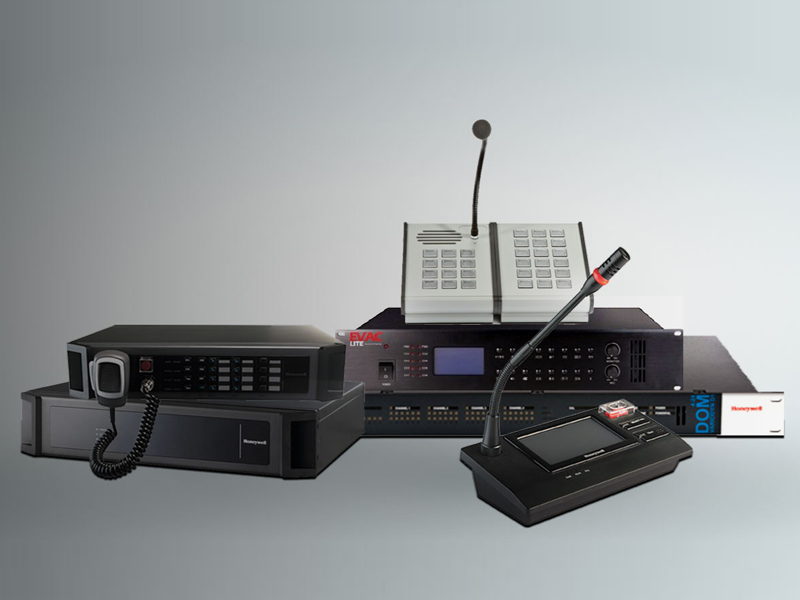
Solutions
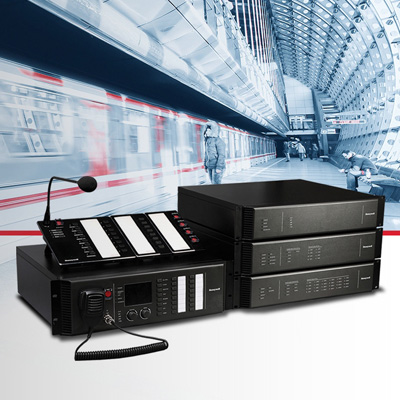
Intevio
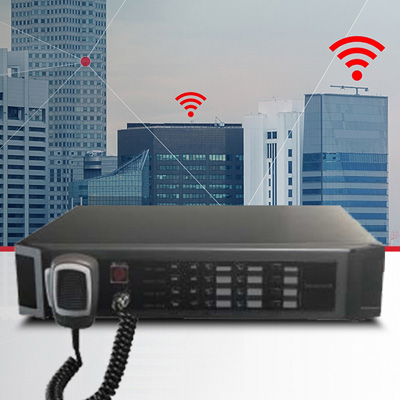
X618
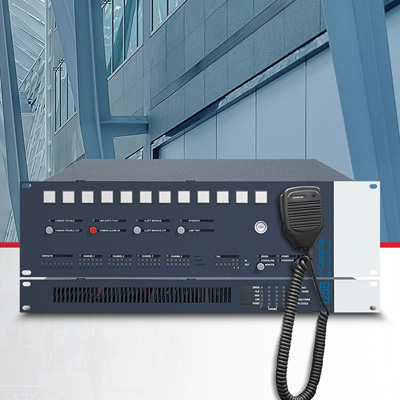
Variodyn
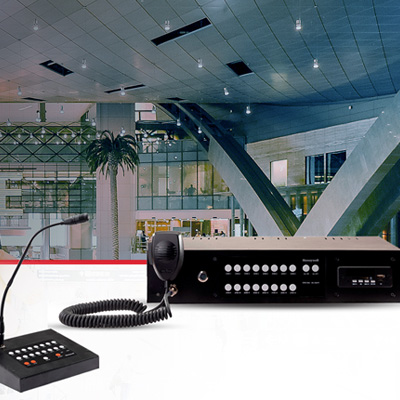
Evacpro-G2
Applications

Offices

Commercial

Retail

Mall
Frequently Asked Questions
- Clear and Concise Instructions: Voice systems provide specific instructions on where to evacuate and what actions to take, unlike traditional alarms that only signal an alert.
- Reduced Panic: Human voices, whether pre-recorded or live, are generally more reassuring than bells or sirens, helping occupants remain calm and rational.
- Faster Evacuation: Clear instructions help occupants evacuate more quickly and efficiently, potentially saving lives.
- Adaptability: Voice evacuation systems can be tailored to different building layouts and occupancy types, ensuring optimal safety.
- Integration with other systems: They can be integrated with other security systems for enhanced threat detection and response.
- Fire emergencies: Voice evacuation is crucial in guiding occupants away from the fire and to safety.
- Severe weather: Systems can provide instructions during severe weather events like tornadoes or hurricanes.
- Active shooter situations: Voice evacuation can be used to guide occupants to safe areas or provide instructions on how to respond.
- Other emergencies: Gas leaks, chemical spills, or other hazardous situations may also require voice evacuation.
- Speakers: Strategically placed throughout the building to ensure clear sound coverage.
- Microphones: Strategically placed throughout the building to ensure clear sound coverage.
- Control panel: Manages the system and allows for the playback of pre-recorded messages.
- Backup power: Ensures the system continues to function during power outages.
- Integration with other systems: May be integrated with fire alarm panels and other security systems.
- Building assessment: Understanding the building layout, occupancy, and potential hazards is crucial for proper system design.
- Compliance with regulations: Voice alarm systems must meet specific standards like NFPA #72 and EN 54.
- Regular testing and maintenance: Ensuring the system is functioning correctly is essential for its effectiveness.
- Employee training: Occupants should be familiar with evacuation procedures and the meaning of different voice messages.
While both systems use speakers to broadcast audio, voice evacuation systems are specifically designed for emergency situations and are often part of a larger fire alarm system. Public address systems can be used for general announcements and background music, but may not have the same level of reliability or integration with emergency systems.
Have questions? We can help
Our video security experts can help you implement the right security system for your business.