


IoT Integration Platform
An IoT Integration Platform provides the crucial link between disparate IoT devices, applications, and systems, enabling seamless data exchange and automation across various business processes. It acts as a central hub, facilitating communication between devices, cloud services, and other enterprise systems, ultimately maximizing the value of IoT investments.
Solutions
Connectivity Platforms
These platforms focus on managing the communication between IoT devices and the cloud. They handle the complexities of different communication protocols (like Wi-Fi, Bluetooth, cellular) and ensure secure and reliable data transmission. Examples include platforms that manage device connectivity and ensure data transfer to the cloud.
Device Management Platforms
These platforms provide tools and functionalities for managing the lifecycle of IoT devices. This includes tasks like device provisioning, configuration, monitoring, and updates. These platforms ensure devices are properly configured, tracked, and maintained, supporting tasks like remote firmware updates and troubleshooting.
Application Enablement Platforms (AEPs)
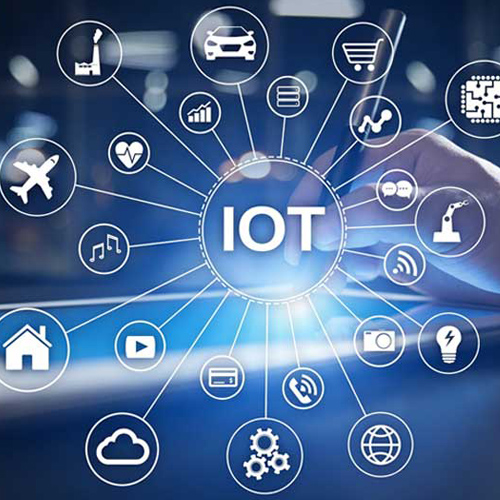
AEPs offer tools and frameworks for developing custom IoT applications. They allow developers to create applications that leverage the data generated by IoT devices, enabling them to build tailored solutions for specific needs. AEPs can include features like data visualization, analytics, and integration with other systems.

Analytics Platforms
These platforms are designed for processing and analyzing the vast amounts of data generated by IoT devices. They utilize advanced technologies like AI and machine learning to extract insights and support data-driven decision-making. Examples include platforms that provide real-time monitoring, predictive maintenance, and other analytical capabilities.
Applications
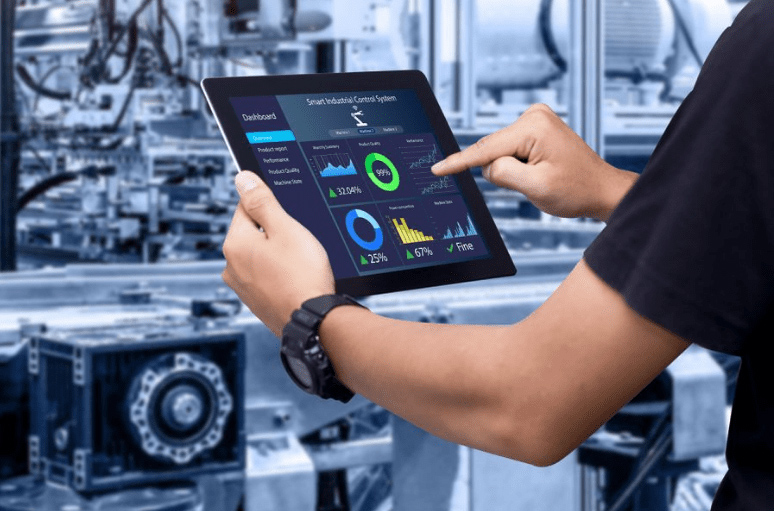
- Smart Manufacturing
- Smart Cities
- Healthcare
- Other Applications
Frequently Asked Questions
- IoT integration connects smart devices, applications, and databases, allowing them to communicate and exchange data.
- It enables real-time data analysis, automation, and improved operational efficiency across various systems.
- Examples include connecting a thermostat to a home automation system or integrating fitness trackers with health apps, according to Workato.
- IoT: refers to the overall network of interconnected devices, while IoT integration specifically focuses on the process of connecting and integrating these devices and their data.
- IoT integration is a crucial aspect of building a comprehensive IoT solution, ensuring that data from different sources can be used effectively.
-
Increased Efficiency:
Streamlines workflows and automates tasks by connecting different systems.
-
Cost Savings:
Optimizes resource utilization, reduces manual errors, and improves operational efficiency, leading to cost reductions.
-
Enhanced Customer Experience:
Provides personalized services and improves responsiveness to customer needs.
-
New Revenue Streams:
Enables the creation of new products and services based on integrated data and insights, says Embitel.
-
Improved Decision-Making:
Provides real-time data analysis and insights for better informed business decisions.
-
Consider your specific needs:
Identify the types of devices, protocols, and data sources you need to integrate.
-
Evaluate platform features:
Look for features like scalability, security, data processing capabilities, and integration with existing systems.
-
Assess the platform's security protocols:
Ensure the platform has robust security measures to protect your data and devices, according to iox-connect.com.
-
Check for scalability and flexibility:
Ensure the platform can adapt to your growing needs and accommodate future technologies, according to GAO Tek.
-
Consider the platform's support and documentation:
Ensure the platform provider offers adequate support and documentation for developers and users.
-
Support for multiple connectivity protocols:
The gateway should be able to communicate with various devices using different protocols.
-
Scalability and hardware/OS agnosticism:
The gateway should be scalable and work with different hardware and operating systems.
-
Edge computing capabilities:
The gateway should be able to process data at the edge, reducing latency and bandwidth usage.
-
Secure communication:
The gateway should encrypt data and authenticate devices to ensure secure communication.
- Data breaches: Unauthorized access to sensitive data transmitted between devices and systems.
- Device vulnerabilities: Exploitable weaknesses in device firmware or software can lead to security breaches.
- Man-in-the-middle attacks: Interception of communication between devices and the platform.
- Denial-of-service attacks: Disrupting the availability of the platform or devices.
- Lack of security protocols: Insufficient security measures can leave systems vulnerable to attacks, says iox-connect.com.
Have questions? We can help
Our video security experts can help you implement the right security system for your business.