


Passive & Active Network Components
Active components require an external power source to operate and are capable of signal amplification or control, while passive components do not require an external power source and primarily manage or dissipate energy.

Active Network Components (Solutions)
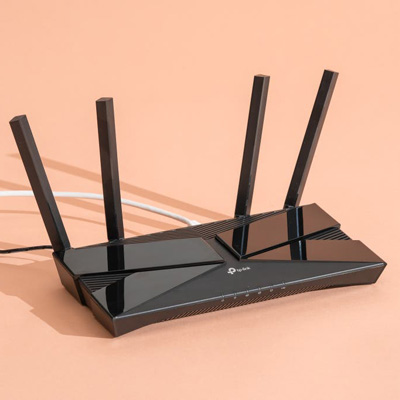
Routers
Direct data traffic between networks.
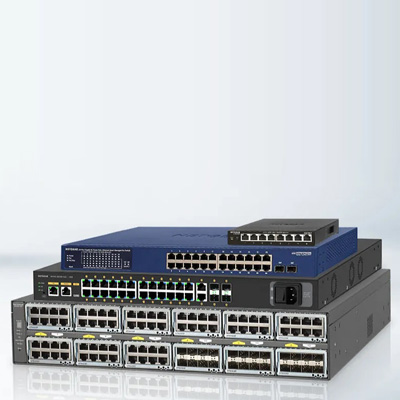
Switches
Connect devices within a network and forward data based on MAC addresses.

Hubs
Simple devices that broadcast data to all connected devices (less common now).

Wireless Access Points
Provide wireless network access.
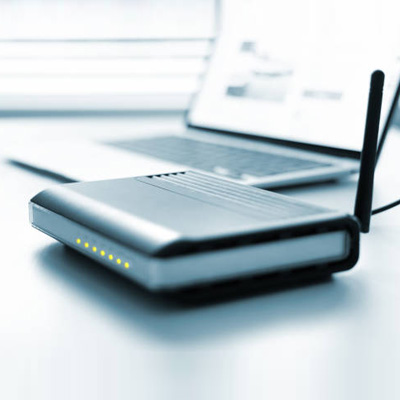
Modems
Convert digital data into analog signals for transmission over telephone lines or cable.
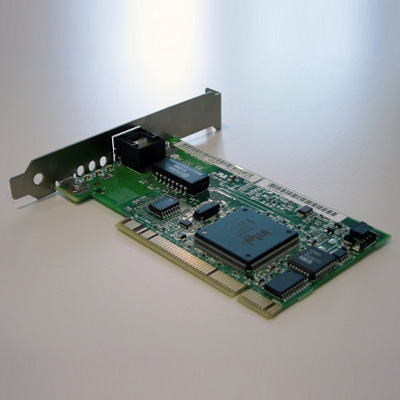
Network Interface Cards (NICs)
Enable devices to connect to a network.
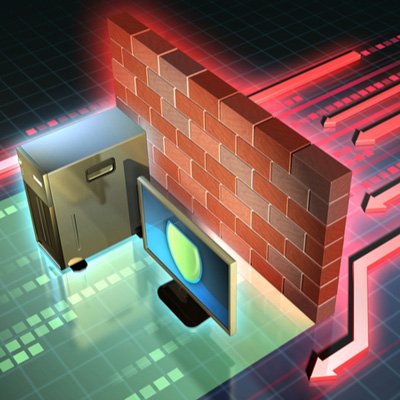
Firewalls
Secure networks by filtering traffic based on predefined rules.
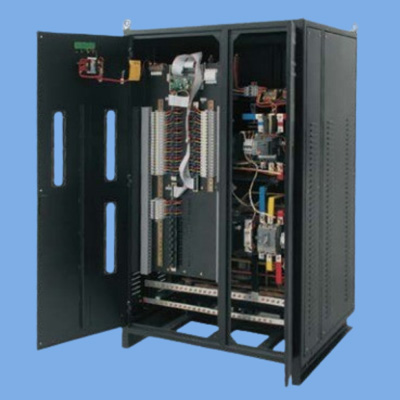
Power Distribution Units (PDUs)
Manage and distribute power within a network equipment rack.
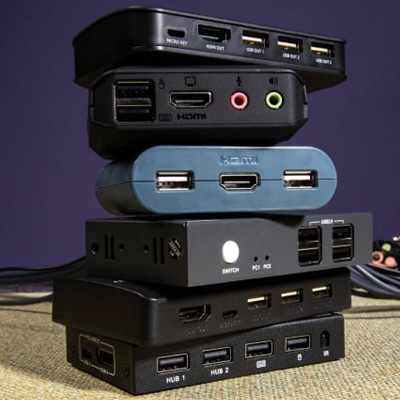
KVM switches
Allow control of multiple computers from a single keyboard, video monitor, and mouse.
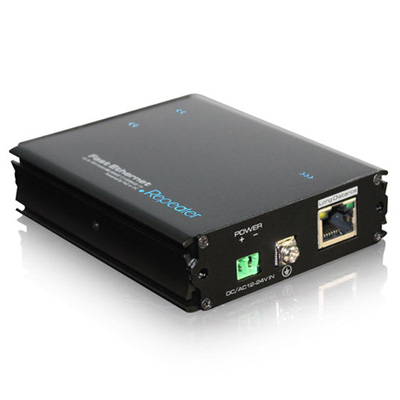
Repeaters
Amplify signals to extend network range.
Passive Network Components (Solutions)
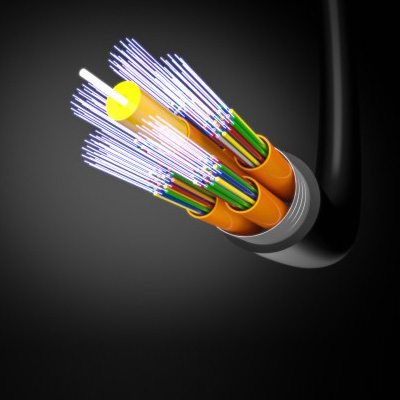
Cables (copper and fiber optic)
Transmit data signals.
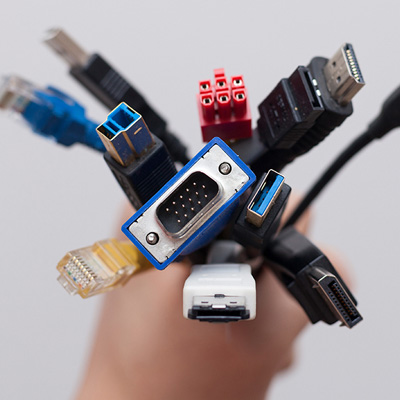
Connectors
Join cables and devices.
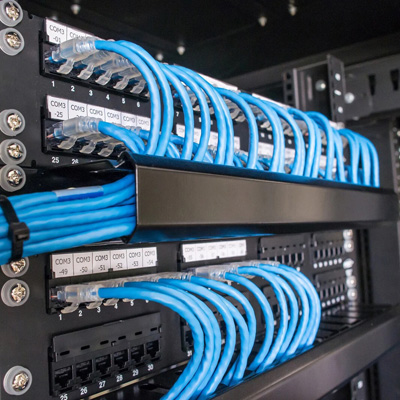
Patch Panels
Organize and manage cable connections.
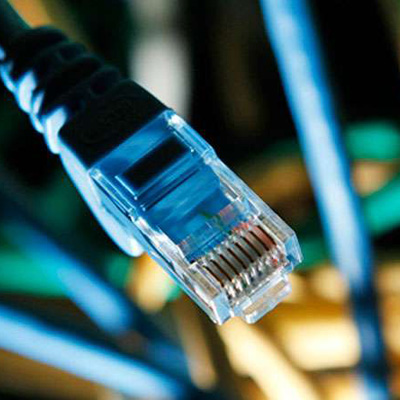
Cable Channels
Protect and organize cables.
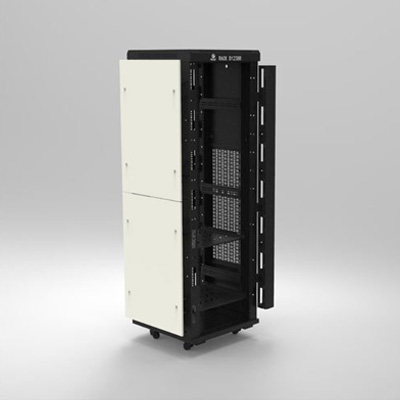
Racks
Provide physical support and organization for network equipment.
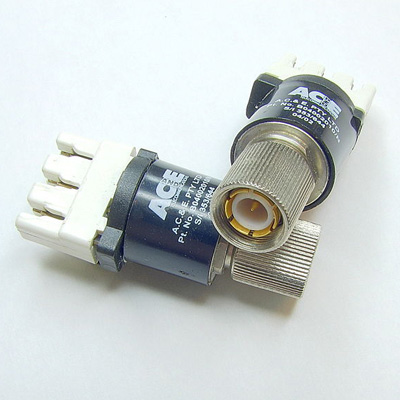
Baluns
Match impedance between different types of cables.
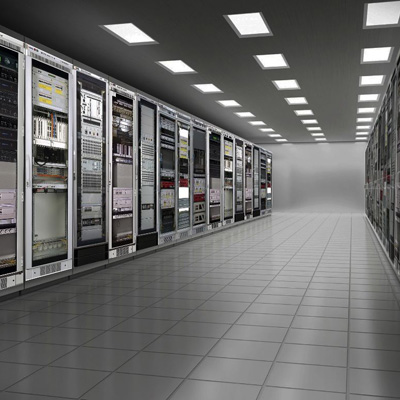
Telecommunication Cabinets
Enclose and protect network equipment.
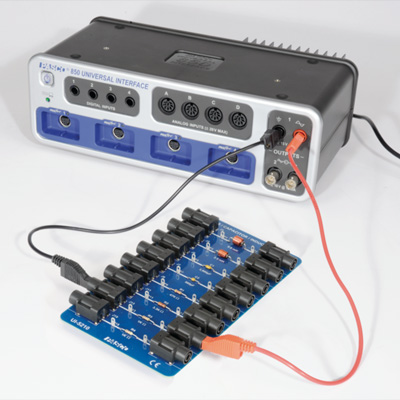
Resistors, Capacitors, Inductors
Components used in filters and signal conditioning within a network.
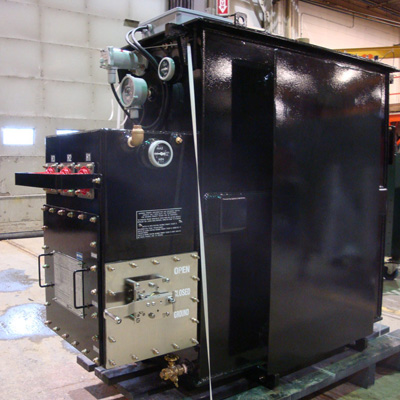
Transformers
Used for impedance matching and voltage transformation.
Active Network Components (Applications)
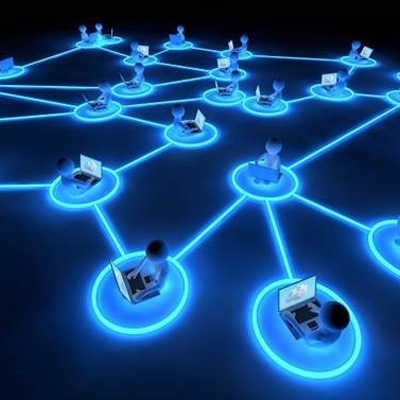
Communication

Data Sharing

Network Management

Security

Multimedia Applications

Intrusion Detection and Security

Network Monitoring and Control

Industrial Applications
Passive Network Components (Applications)
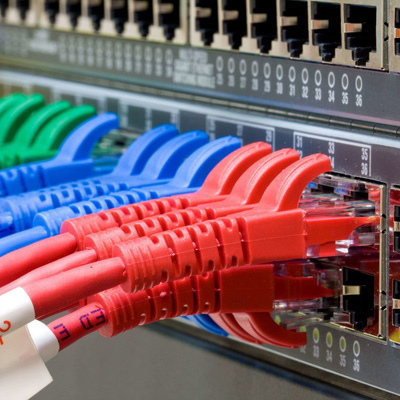
Connecting Devices and Building Networks

Data Transmission
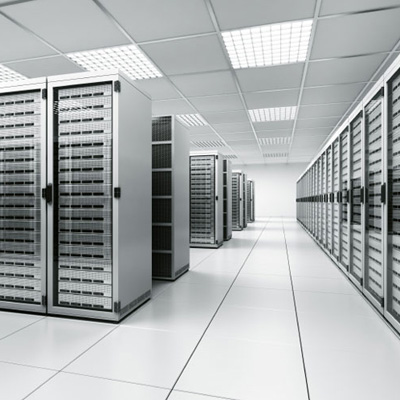
Building and Data Center Networks
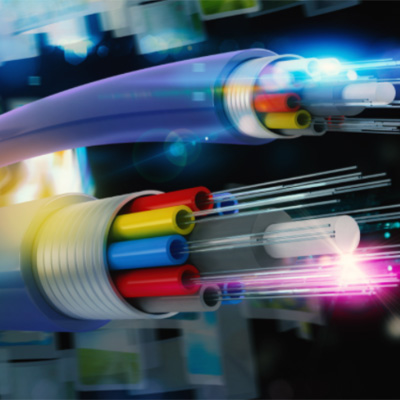
Passive Optical Networks (PONs)
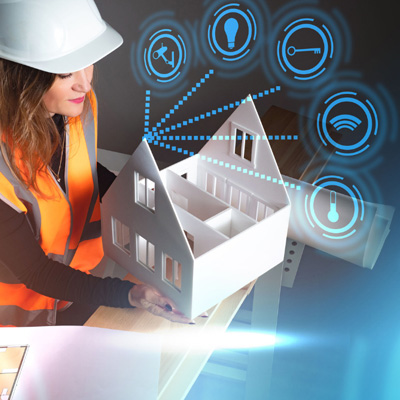
Smart Building Solutions

Rural Connectivity

Filtering and Signal Processing
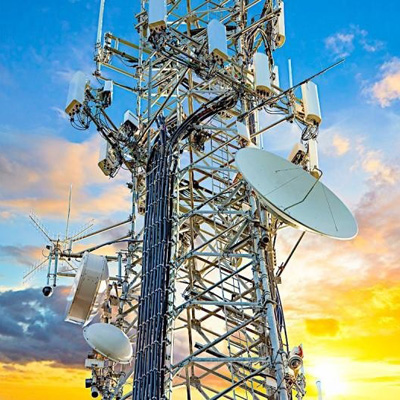
Microwave Systems
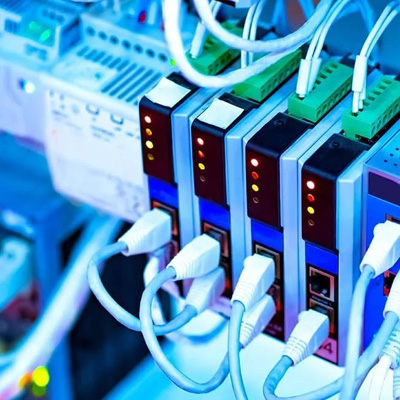
Power Distribution
Frequently Asked Questions
Passive components are circuit elements that cannot generate electrical energy. They can only dissipate or store it in electric or magnetic fields.
- Resistors: Limit or resist the flow of electrical current.
- Capacitors: Store electrical energy in an electric field.
- Inductors: Store electrical energy in a magnetic field.
- Transformers: Used to step up or step down voltage and current.
- Motors: Convert electrical energy into mechanical energy.
Active components, unlike passive components, can generate electrical energy and control current flow using another electrical signal. Examples include transistors, diodes (when used as active elements, not rectifiers), and integrated circuits.
-
Resistors:
They impede the flow of current, and the voltage drop across them is proportional to the current (Ohm's Law).
-
Capacitors:
They store electrical charge, and their ability to store charge is quantified by their capacitance.
-
Inductors:
They store energy in a magnetic field, and their ability to store energy is quantified by their inductance.
Passive components are essential for shaping signals, filtering unwanted frequencies, and controlling the flow of current in electronic circuits and networks. They are fundamental building blocks for more complex circuits and systems.
No, a passive network, by definition, cannot contain any voltage or current sources because sources provide energy, and passive components can only dissipate or store energy.
Passive components are used in a wide range of applications, including:
- Filters: To select or reject specific frequencies in a signal.
- Power supplies: To regulate voltage and current.
- Signal conditioning: To shape and modify signals.
- Timing circuits: To create specific time delays.
- Energy storage: In various applications where energy needs to be stored and released.
A passive filter uses only passive components (resistors, capacitors, inductors) to filter signals. An active filter, on the other hand, uses active components (like operational amplifiers) to provide gain and achieve more complex filtering characteristics.
A decibel is a logarithmic unit used to express ratios of power or voltage, often used to describe the gain or attenuation of signals. Passive components like attenuators can reduce the power of a signal, and this reduction is often expressed in decibels.
Passive components are used in almost all electronic devices, from computers and smartphones to televisions and audio equipment. They are essential in power supplies, signal processing circuits, and many other applications.
Routers connect different networks, while switches connect devices within the same network.
Routers use IP addresses to forward data, while switches use MAC addresses.
Wireless access points allow devices to connect to a network wirelessly.
Modems convert digital signals to analog signals and vice versa, enabling communication over different types of networks.
NICs enable devices to connect to a network physically.
Have questions? We can help
Our video security experts can help you implement the right security system for your business.